A massage therapist's path: where to start
Swedish, relaxing, lymphatic drainage, stone massage, anti-cellulite, therapeutic… When you are just starting out, it is easy to see all of these as separate kinds of massage and to choose your next course simply on the principle of “what appeals to me most”.
At MAWS we look at training differently.
A professional massage therapist needs more than one ready-made protocol. They need a set of foundation tools that allow them to understand the client’s need and consciously choose how to work with it.
That is why training at MAWS is built as a sequential professional path: from foundation skills to specialisations and deeper therapeutic work.
The first step — Swedish (classic) massage
If you want to become a massage therapist and work with the body, the training starts right here.
Swedish massage is the foundation of the profession.
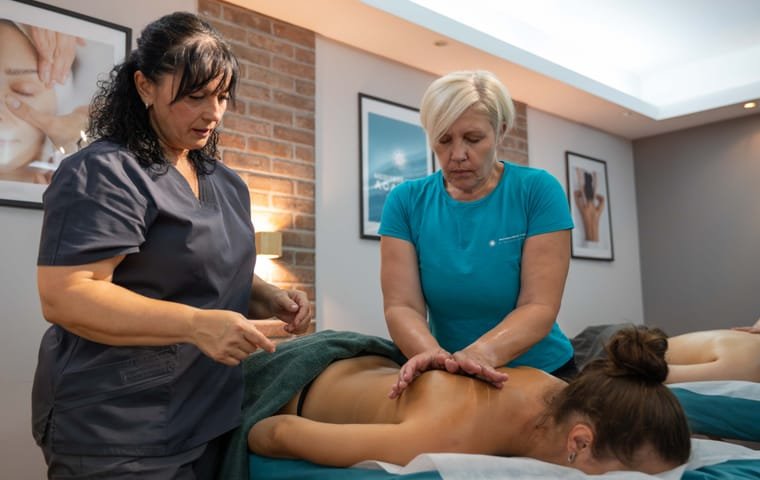
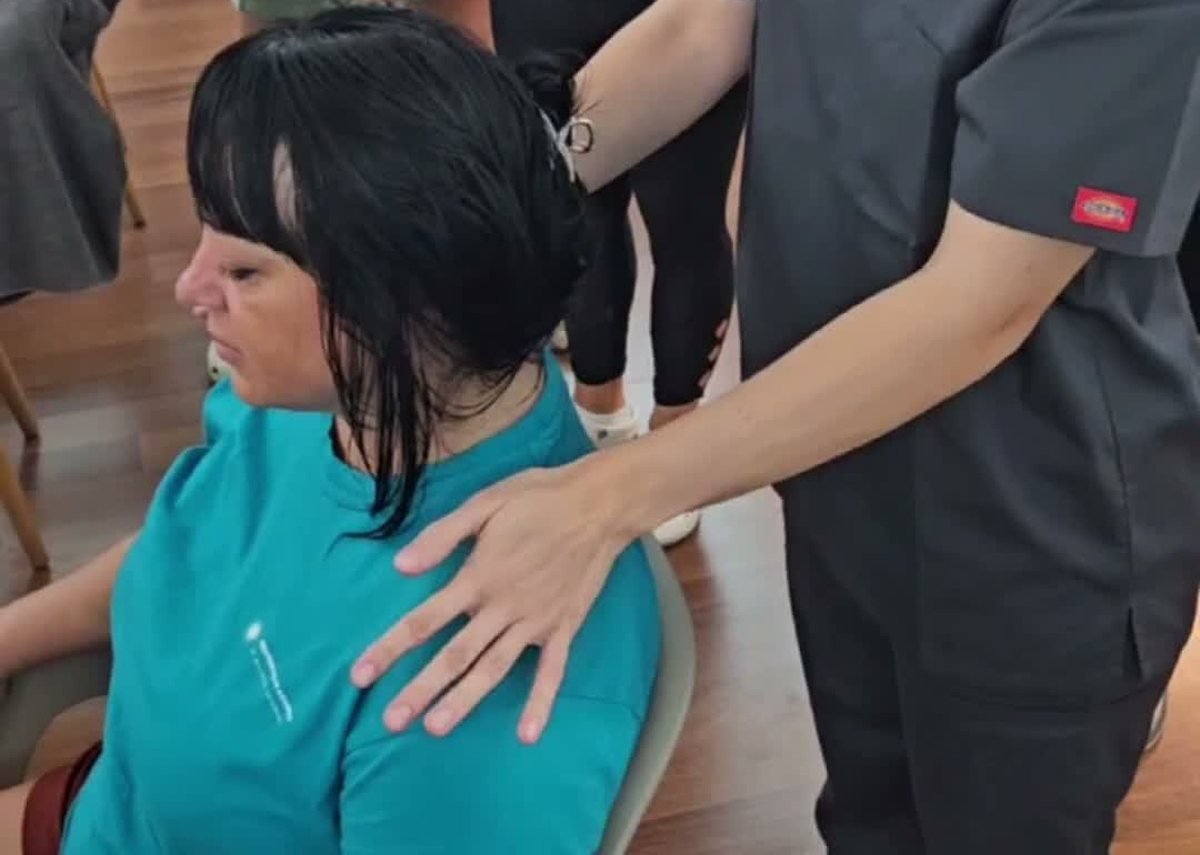
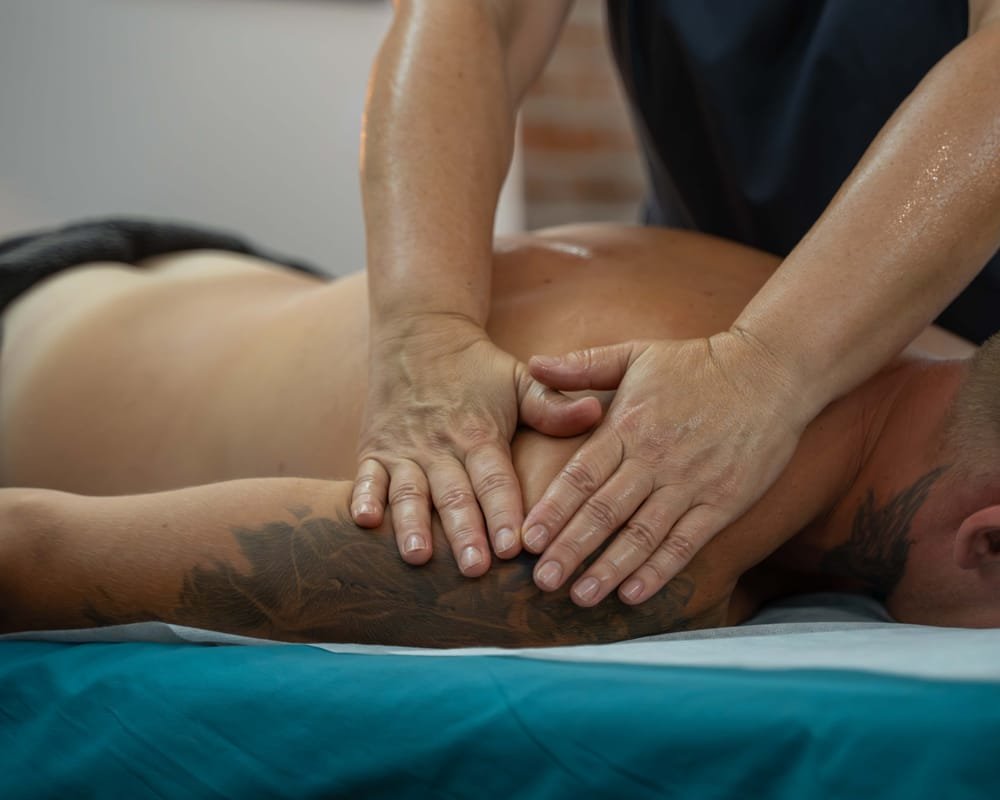
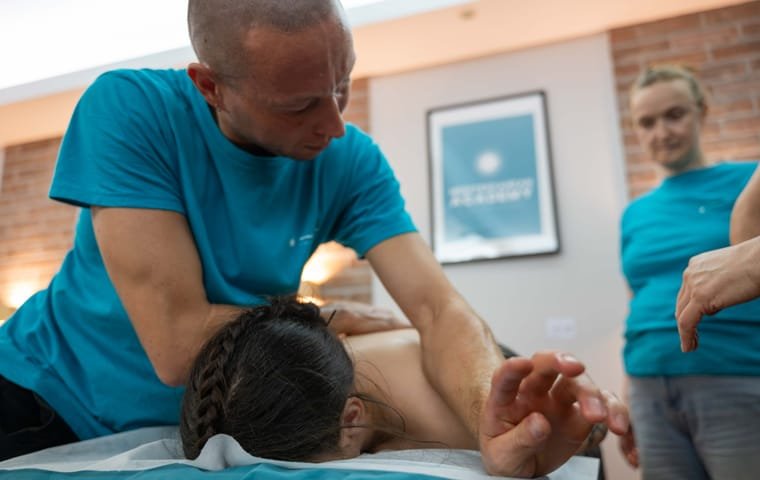
On this course the student studies the basics of anatomy and physiology, learns to stand and move correctly while working, sets up their hands, masters the main massage techniques, learns to gauge pressure and, for the first time, begins to feel tissues professionally with their hands.
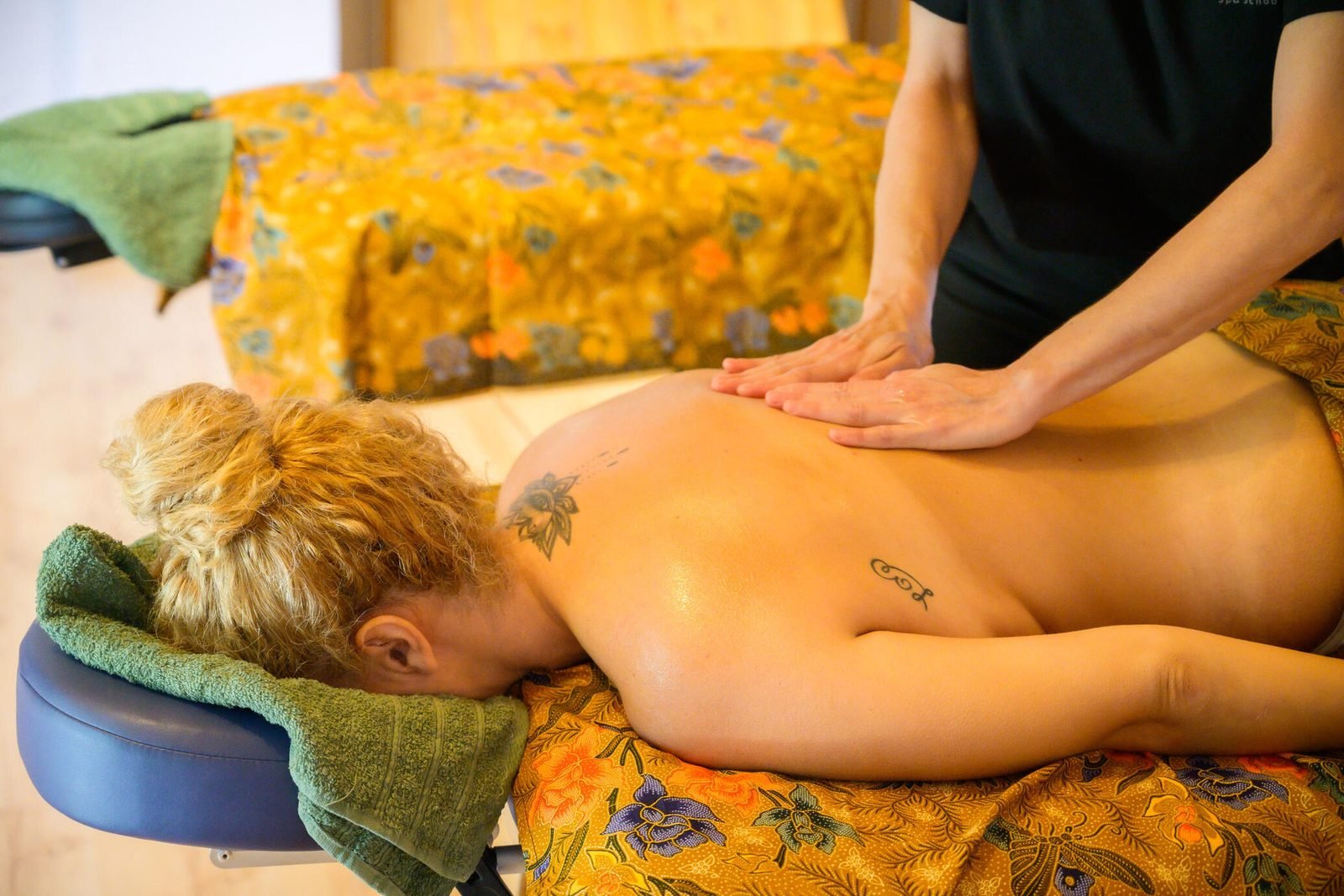
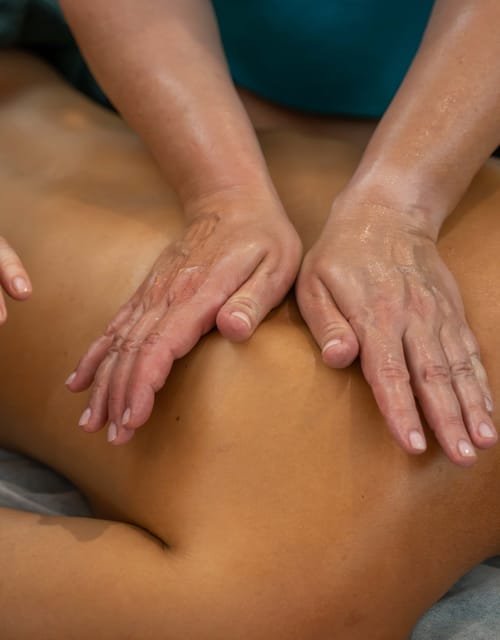
This is work above all at the level of muscles and fascia.
Swedish massage provides the basic manual skills without which it is impossible to move consciously to most other techniques of working with the body.
That is why the MAWS student’s path begins with it.
The “Swedish (classic) massage” course
The massage therapist’s foundation toolkit: four levels of work
Once classic massage has been mastered, the professional toolkit begins to take shape.
We believe that at a foundation level a massage therapist should be able to work with the body on four levels:
1. Muscles and fascia → Swedish massage
This is the basis of manual work.
The massage therapist learns to work with soft tissues, feel their condition, adjust pressure and choose suitable techniques.
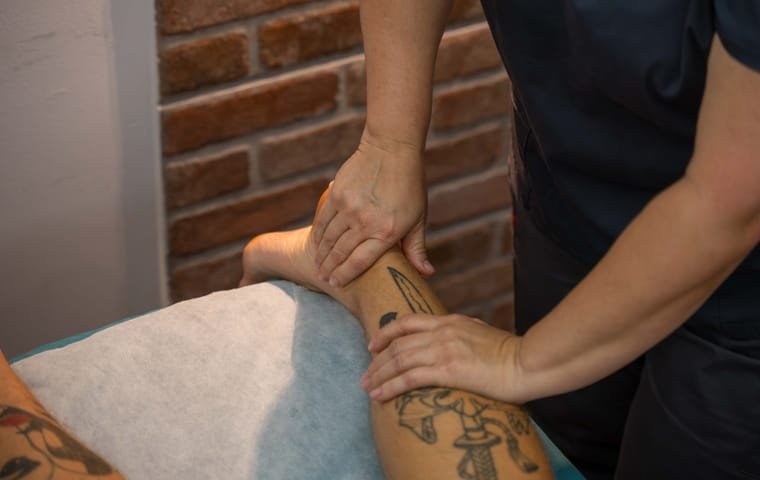
2. Fluids → lymphatic drainage massage
Working with the lymphatic system requires a completely different logic of movement, pressure, speed and sequence.
Lymphatic drainage gives the massage therapist a tool for working with the movement of fluid in the tissues and becomes an important foundation for a number of further specialisations.
The “Lymphatic drainage massage” course
3. The nervous system → relaxing massage
Massage acts not only on the muscles.
Rhythm, tempo, continuity of contact, the character of the touch and the sensory load all affect the state of a person’s nervous system.
In relaxing massage the student learns to use touch consciously for deep relaxation and recovery.
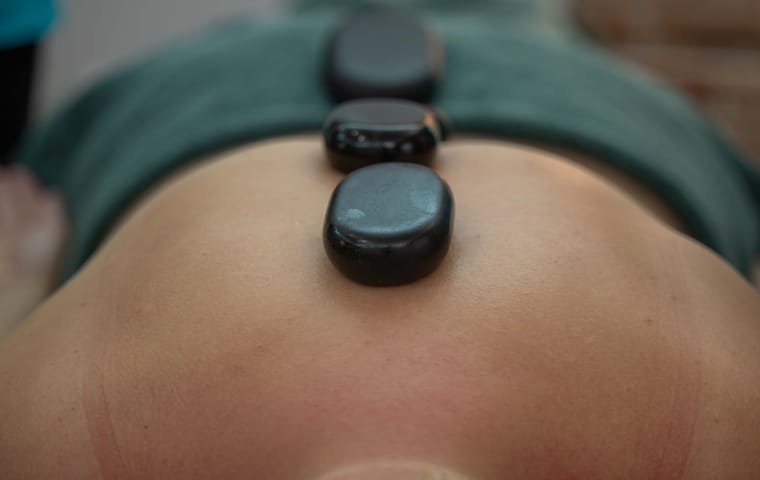
4. Temperature → stone massage
Another tool of the professional massage therapist is temperature.
Hot and cold stones make it possible to combine manual work with heat and cold. They can be used both in a complete spa treatment and integrated into other kinds of massage depending on the task in hand.
Why does a massage therapist need all four tools?
Because real clients rarely arrive with the request: “I need exactly this particular protocol.”
One person wants to relax after a hard working week. Another has pronounced muscle tension. A third is troubled by swelling. Someone needs a combination of several approaches.
This is exactly where the difference appears between a person who has learned a few sequences of movements and a specialist who understands what they are doing.
Having mastered the foundation directions, the massage therapist gains the ability to combine techniques within their qualification and adapt the session to the specific client, rather than delivering the same programme to everyone.
For example, one session may combine classic massage techniques, elements of lymphatic drainage and relaxing techniques. In another, the effect of temperature may be added to the manual work.
The more professional tools a massage therapist understands, the more precisely they can tailor the work to a particular person’s need.
That is precisely why at MAWS we regard these four directions not as a random set of courses but as the foundation professional level of a massage therapist.
What happens after the foundation?
Once the foundation toolkit has been mastered, the next stage begins — specialisation.
Here the path already depends on the clients and needs the specialist wants to work with.
Therapeutic massage
This is the next, deeper professional level.
Here the task is no longer to learn yet another massage protocol.
The massage therapist learns to conduct a consultation and a professional assessment within their competence, to use palpation, analyse the condition of the tissues, choose methods of treatment and build individual work.
The course covers myofascial techniques, work with trigger points, neuromuscular methods and other tools of therapeutic practice.
And here it is especially important that the foundation techniques are already mastered.
To train in therapeutic massage, the student must have command of the foundation toolkit: Swedish, lymphatic drainage and relaxing massage and work with temperature.
Then, at the next level, they no longer spend their attention on how to position a hand or perform a basic technique, but learn the main thing: to understand what to choose, why to do it and how to build the work around a specific situation.
The “Therapeutic massage” course
Anti-cellulite massage
Other specialisations have their own set of necessary foundation knowledge.
For anti-cellulite massage, for example, it is important to be able to work both with tissues and with the movement of fluid.
So this programme requires, beforehand:
Swedish massage + lymphatic drainage massage.
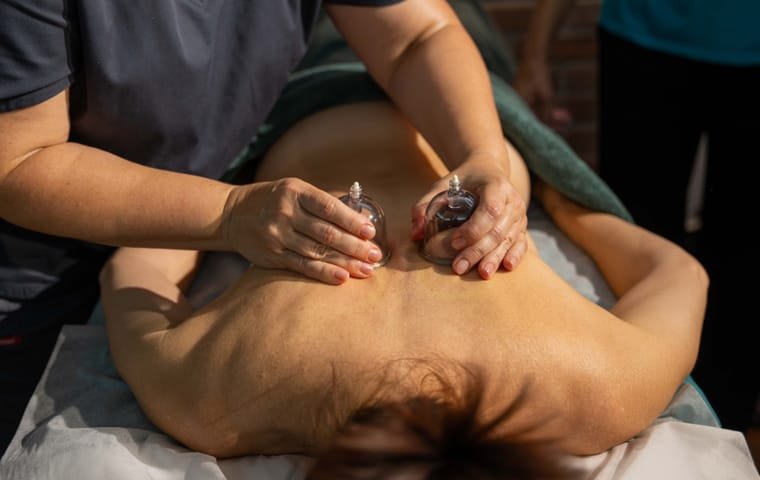
After that the student can move on to assessing the condition of the tissues, to special manual, vacuum and other techniques and to building comprehensive programmes.
The “Anti-cellulite massage” course
And facial massage can be learned from scratch
Not all directions require completing a foundation body-massage programme.
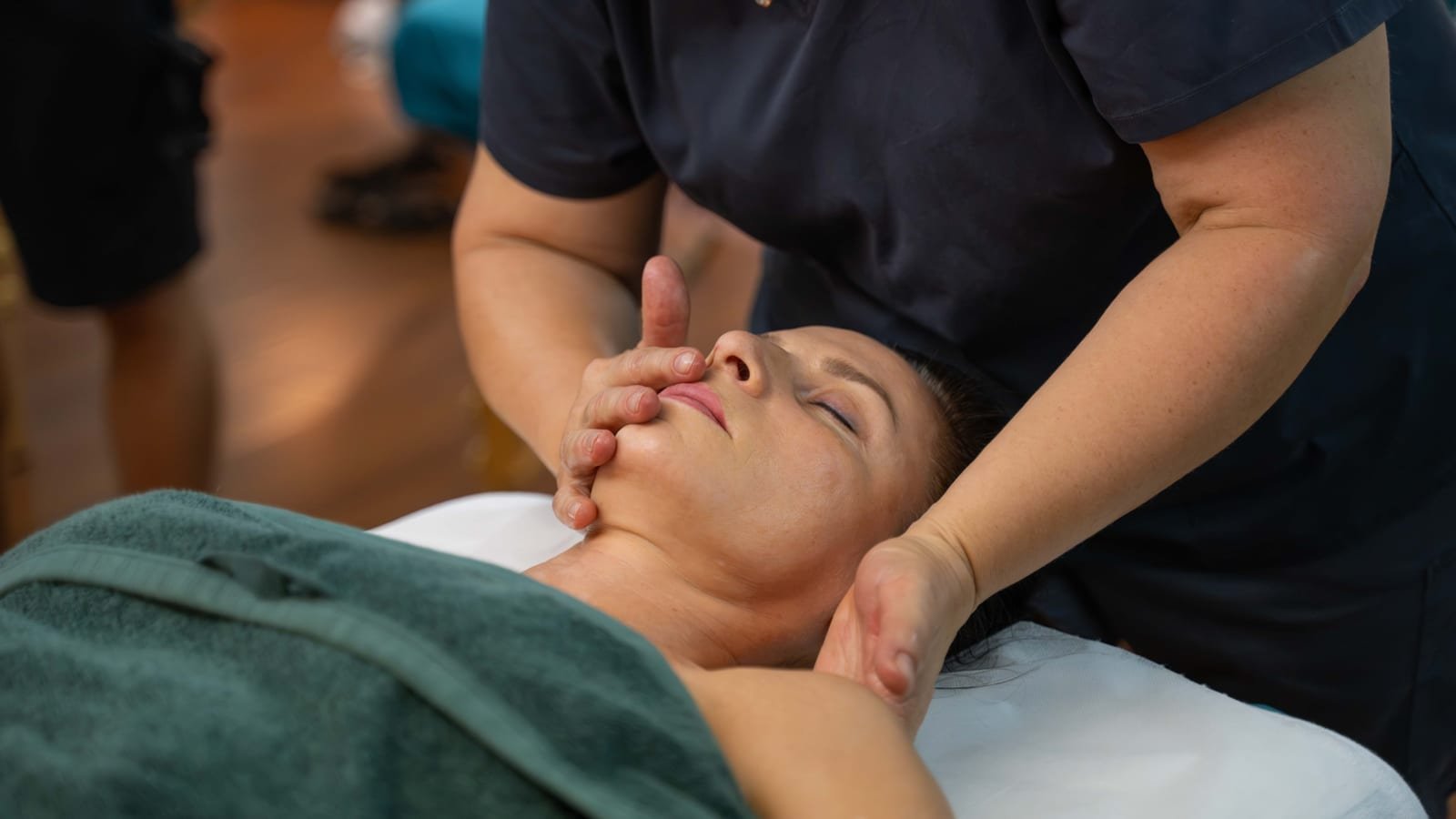
The Complete Facial Massage Course at MAWS is a standalone specialisation that can be taken up from scratch.
So it suits both practising massage therapists and beauty-industry specialists and people with no prior massage education who want to specialise specifically in working with the face.
The Complete Facial Massage Course
What the MAWS student’s path looks like
If your goal is to gain complete training as a massage therapist and to go on developing in the profession, the path looks like this:
1. Foundation Swedish (classic) massage
↓
2. The foundation professional toolkit Muscles and fascia → Swedish massage Fluids → lymphatic drainage massage The nervous system → relaxing massage Temperature → stone massage
↓
3. Specialisations Anti-cellulite massage, spa directions and other professional techniques
↓
4. Advanced professional level Therapeutic massage
At the same time, there are separate directions — comprehensive facial massage, for example — that can be taken up from scratch.
Not a collection of certificates but a professional system
You can complete dozens of short courses and know dozens of protocols. But that does not yet make a person a strong massage therapist.
Professionalism begins when a specialist understands anatomy and physiology, feels the tissues, knows the possibilities and limitations of different methods and can explain why, in a specific situation, they choose this particular way of working.
That is why at MAWS each successive level of training builds on the previous one.
First the student learns how to do it.
Then they gain different tools and begin to understand how they work.
And at a higher professional level they learn the main thing:
what to choose, why and for which client.
That is how individual massage techniques gradually come together into a profession.