Working with the nervous system through touch: rhythm, pace and sensory techniques for deep relaxation and recovery.
On the Swedish massage course you learned to work with the muscles and soft tissues. Relaxing massage adds a second vital tool to this foundation — conscious work with the nervous system through touch.
Relaxing massage is not classic massage with less pressure, nor simply a set of slow movements. The depth of relaxation depends on how the nervous system perceives the touch: on the rhythm and pace, the character and continuity of the movements, the pressure, the sensory load, the breathing and the transitions between zones of the body.
On the course you study the basics of how the central and autonomic nervous systems work, the role of the skin's sensory receptors and the mechanisms through which massage can influence a person's state.
The main aim is to learn not simply to repeat a relaxation protocol, but to understand why a particular touch produces a particular response and how to use this knowledge when working with the client.
You already know how to work with the body. Now you learn to work with a person's state.
At MAWS the core training is built around four areas of work:
This knowledge is mutually complementary and allows a massage therapist not merely to follow a ready protocol, but to understand the task and consciously choose an approach for the specific client.
The modern client comes for a massage not only with tense muscles. Chronic stress, a high workload, a constant flow of information, a lack of rest and disrupted sleep often lead to a state in which a person says: "I just want to relax and switch off." And here it is not enough simply to reduce the pressure and perform the classic techniques more slowly — professional relaxing massage is built on understanding which sensory signals the nervous system receives and how the character of touch affects the client's state.
Relaxation is a massage therapist's skill. Two massage therapists can perform similar movements, but the client will have a completely different experience — because what matters is not only what you do, but how: the speed, rhythm, pressure, pauses, transitions between zones, continuity of touch, body position, the client's breathing and the overall sensory load. On the course you learn to notice these details and use them consciously.
Create a massage worth coming back to. Relaxing massage is well suited to regular visits: the client does not have to wait until something starts hurting. For many it is part of recovery and self-care — and it is precisely such experiences that build trust in a specialist, repeat visits and recommendations.
After the training you will be able to use relaxing massage as a standalone procedure or integrate its principles into other techniques you already command. You will be able to:
This is not simply another sequence of massage movements. It is the ability to influence a person's state through touch and create an experience the client wants to return for.
The next stage of core training: on Swedish massage you learned to work with the tissues, here you add a second fundamental method — work with the nervous system.
Those who want to understand the physiology of relaxation more deeply and not simply perform a gentle massage, but consciously manage the character of the sensory contact.
For whom the quality of relaxation and the client's overall impression are an important part of professional work.
Practice on models · final assessment.
Introductions and course overview, professional ethics and scope of practice, the history and evolution of relaxing massage, the main principles and benefits, indications and contraindications, the use of essential oils.
The nervous system and its role in relaxation, the effect of massage on circulation, muscular tension and the reduction of stress, the impact on body and mind (the relaxation hormones — cortisol, serotonin, endorphins).
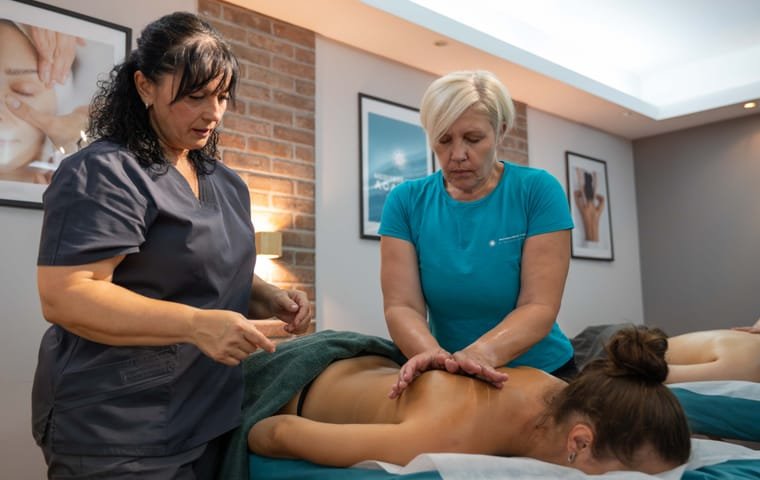
The main techniques: stroking, kneading, gentle stretching and rocking; light and medium pressure, rhythmic flowing movements; positioning and covering the client for comfort.
Carrying out a consultation, identifying the client's needs and preferences, recognising contraindications and adapting the massage, drawing up an individual plan.
Practising the techniques on models under the instructor's observation, feedback, practical scenarios for confidence and skill.
A consultation and practical case + a practical exam in person (a demonstration of a full session). To receive the certificate, attendance of at least 90% of the sessions is also required.
IICT (International Institute for Complementary Therapists) is an international professional organisation in the field of complementary therapies. The course is approved under the IICT "Relaxation Massage" modality and is recognised for professional membership and professional liability insurance in the regions of: Australia and New Zealand, Europe (including Cyprus), the United Kingdom and Canada.
IICT offers membership and insurance in 35+ countries; the set of approved techniques and the requirements differ by region, as each insurance partner has its own criteria. Before starting practice, take local legislation into account.
Official IICT website →Gallery
Continue learning
Your entry into the profession: anatomy, ergonomics and all the classic techniques — from hand placement to a full full-body session. The foundation for all the other courses.
Learn more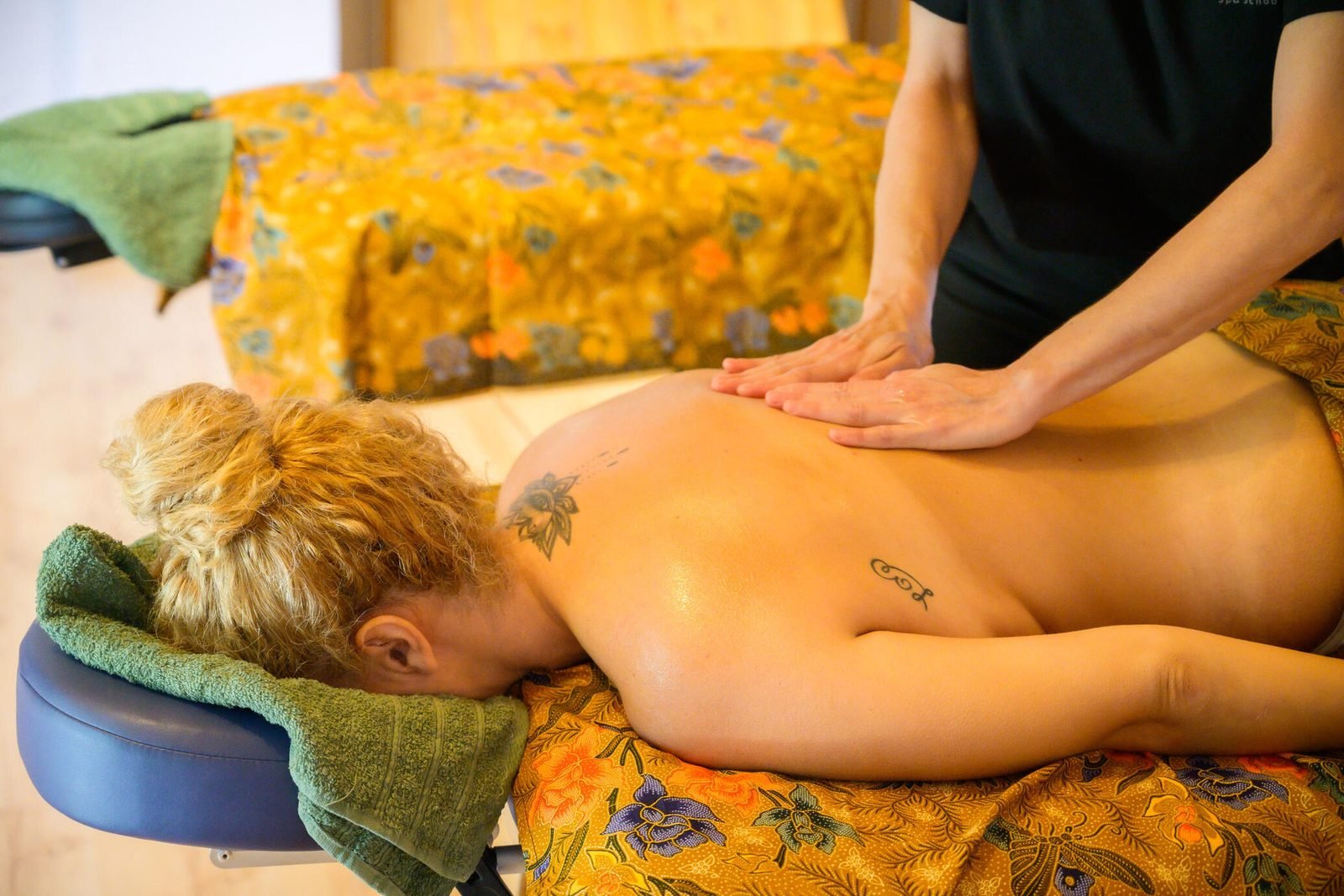
The authentic Jamu Spa School technique. Deep massage, stretches and relaxing techniques brought together into a whole SPA ritual.
Learn more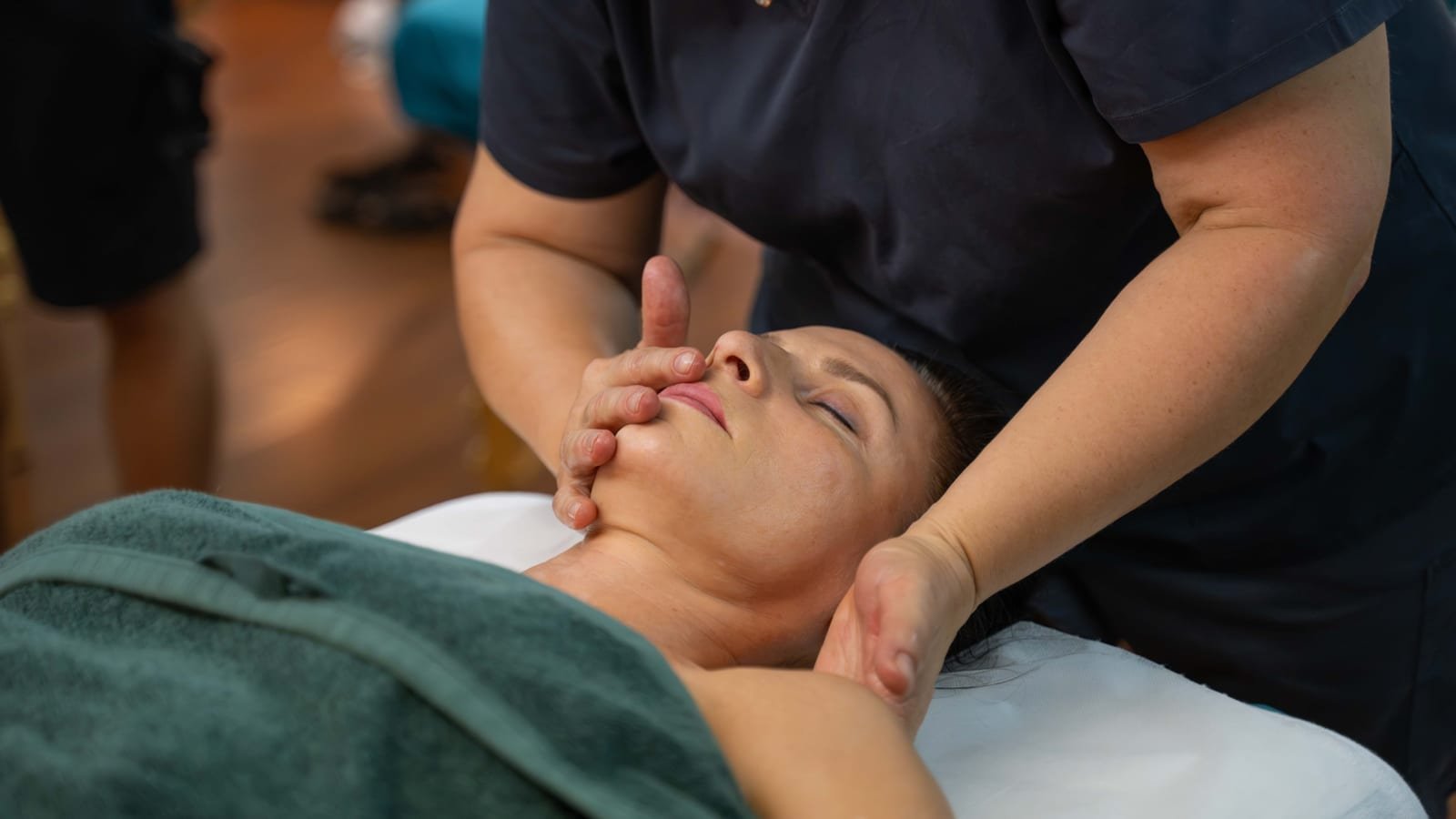
Three techniques in one course: lymphatic drainage, neurosedative and myofascial. Everything you need for professional work with the face.
Learn more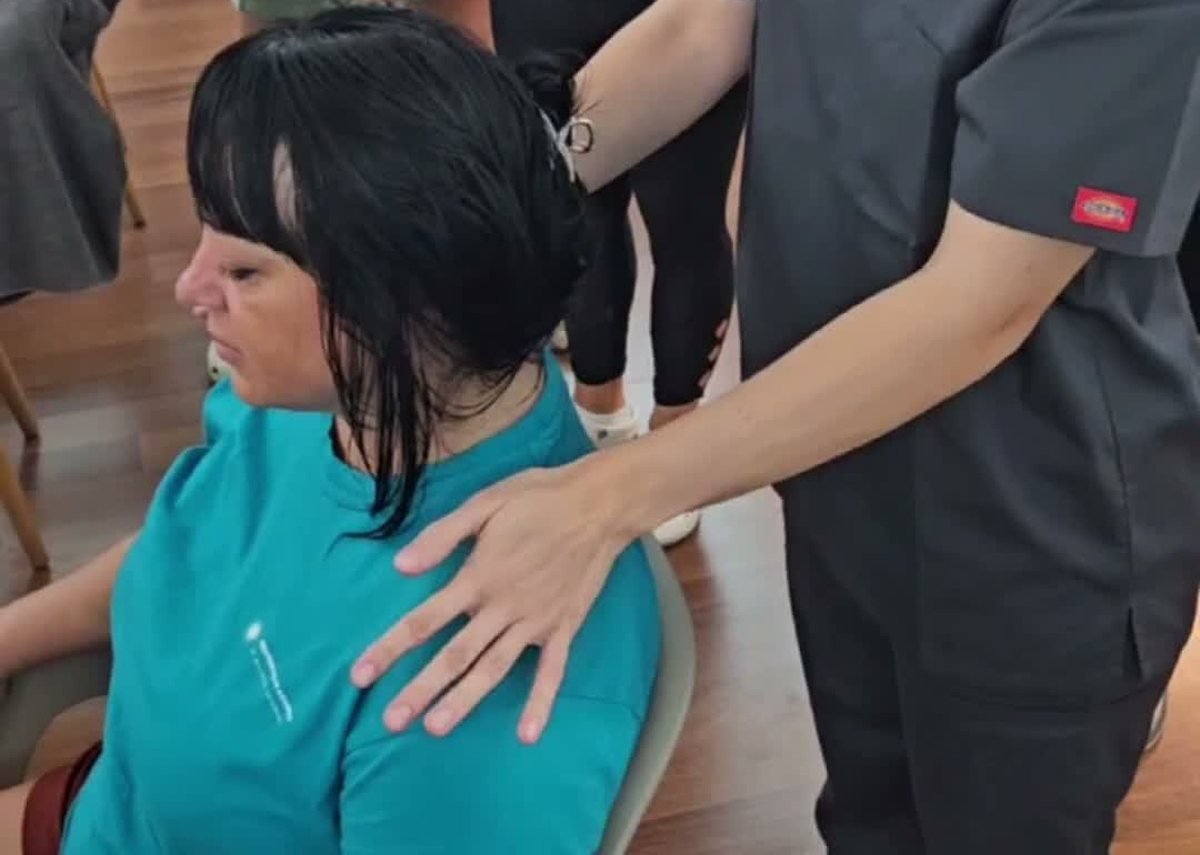
Massage of the head, face, neck and shoulders to relieve tension and achieve deep relaxation. Can be performed even without a massage table.
Learn more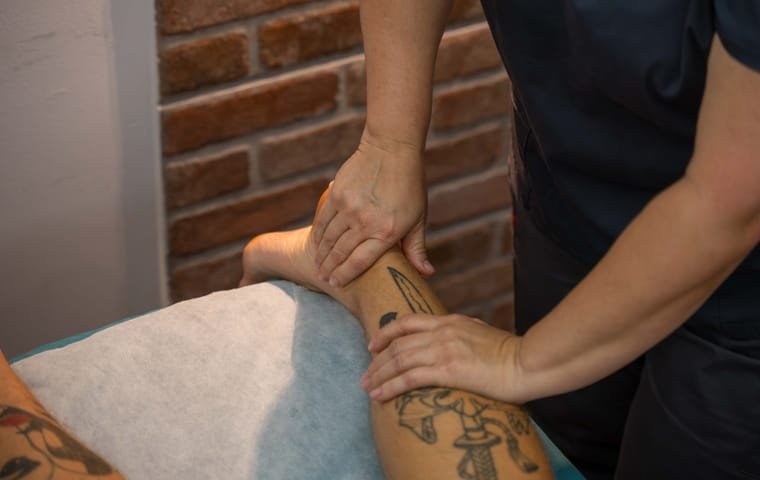
Learn to work with lymph flow and the movement of fluid in the tissues. The technique can be used on its own or combined with other types of massage.
Learn more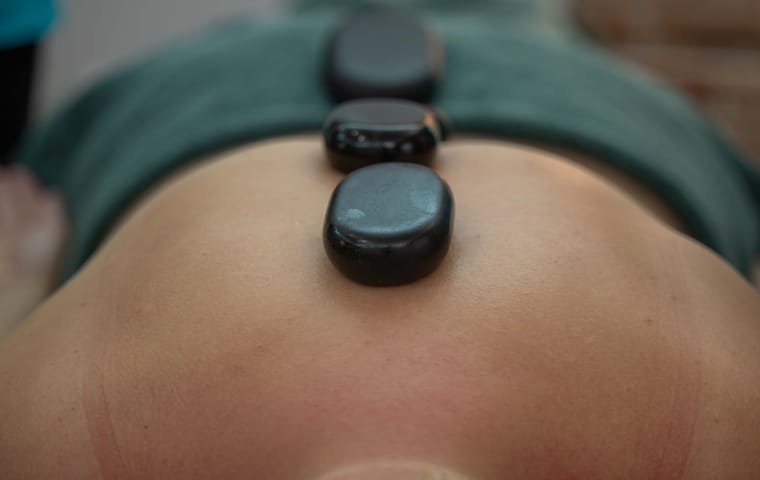
Learn to use heat and cold in massage: work with hot basalt and cold marble and understand how temperature affects the tissues.
Learn more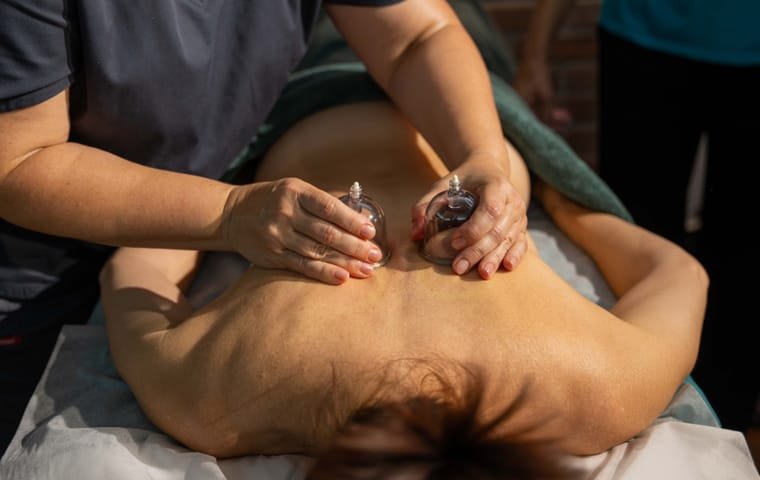
Manual techniques, vacuum cups and honey massage. Learn to assess the condition of the tissues and select suitable techniques for each client.
Learn more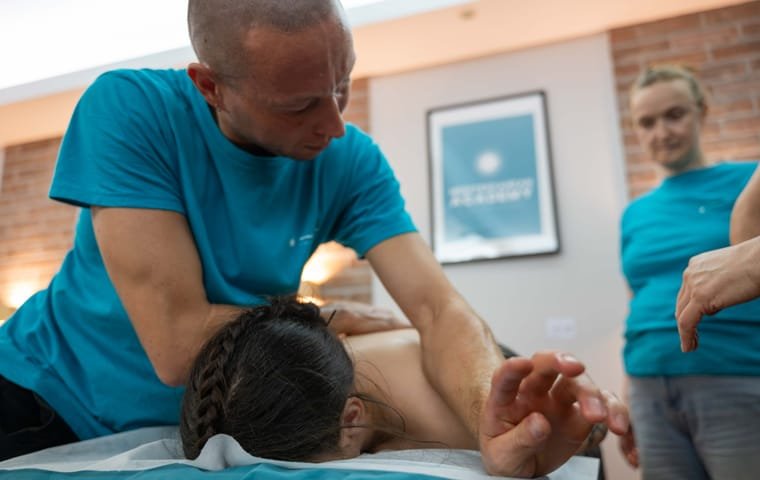
The next professional level of a massage therapist: assessment and palpation, myofascial techniques, trigger points and an individual approach to every client.
Learn more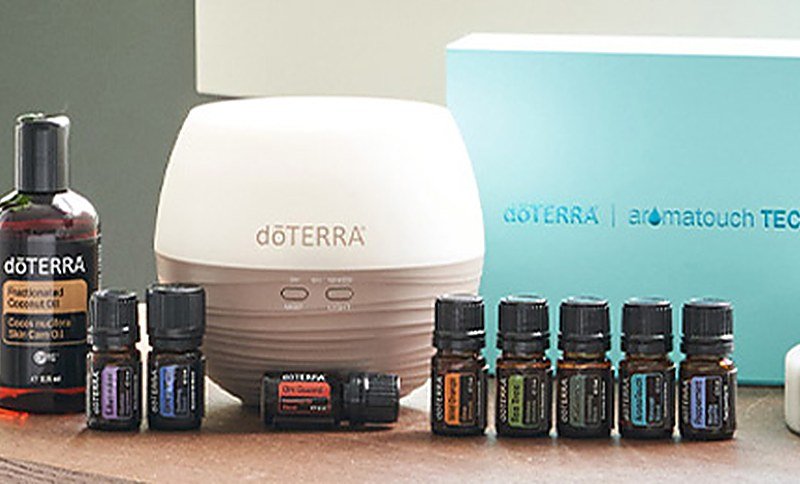
Master the original doTERRA® technique with 8 essential oils. A ready protocol that can be learned in just one day.
Learn more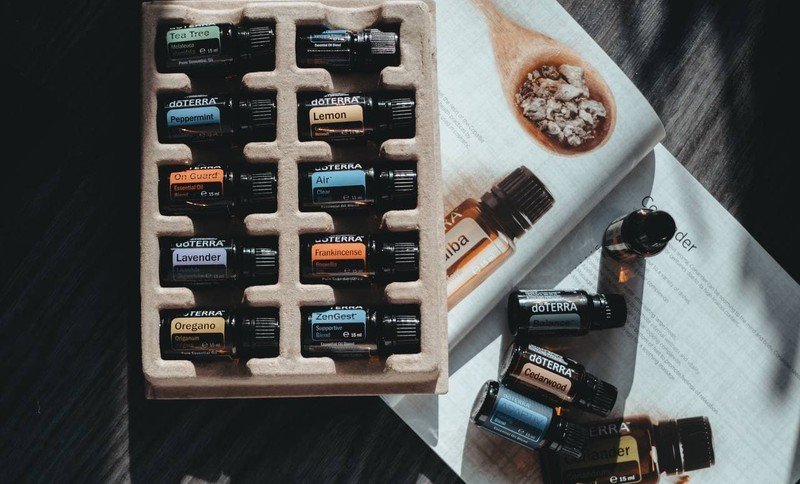
Learn to use essential oils safely in massage: how to choose, dilute, combine and apply them in your work.
Learn moreRequest
Leave your details — we’ll get in touch, answer your questions and tell you about the programme, dates and pricing.