Professional techniques for facial massage, lifting and sculpting.
Modern facial massage is much more than skincare. It is conscious work with the lymphatic system, the nervous system, the muscles and the fascia, which helps to improve the appearance of the face, reduce puffiness and tension, maintain tissue tone and natural beauty without aggressive intervention.
The Complete Facial Massage Course is not the training of a single protocol, nor a collection of separate techniques, but a complete system of professional work with the face. Over the course you master three complementary techniques: lymphatic drainage, neurosedative and myofascial.
Together they give the specialist the tools to address different needs — from a young face and preventive care to age-related changes, pronounced puffiness, muscular and fascial tension. You learn not to give every client the same massage, but to understand what is happening with the tissues, choose the appropriate technique and combine methods.
51 hours of professional training:
The training is led by a specialist with a medical background — a massage therapist and cosmetologist with more than 30 years of professional experience. The programme is accredited by IICT (International Institute for Complementary Therapists).
Because there is no single massage that suits every face equally and solves every task. One client comes with pronounced puffiness, another with tense facial expression and stress, a third with age-related tissue changes.
That is why professional work begins not with a memorised protocol, but with the key question: what is the root cause of the changes?
Lymphatic drainage massage — work with the lymphatic system and puffiness: it improves lymph flow, reduces pastiness and makes the contours of the face more defined.
Neurosedative massage — gentle work with the nervous system and muscular tension: deep relaxation, reduction of tension in the mimic muscles. Especially for clients with active facial expression and high stress levels.
Myofascial massage — deeper work with the muscles, fascia and tissue mobility: muscular-fascial tension, age-related changes, visual contours and facial asymmetry.
The three techniques can be used separately or combined to create an individual programme tailored to the tissue condition and the client's needs.
A comprehensive approach significantly broadens your client base. After the training you will be able to select a massage for a young face (puffiness, tension, prevention), an ageing face (tissue tone, muscular and fascial tension), clients with active facial expression and stress, as well as for preparation for aesthetic procedures and restorative care afterwards — in the absence of contraindications and strictly within the massage therapist's scope of competence.
You also learn to understand when massage is beneficial, when it is better to wait and when the client should be referred to a doctor.
The philosophy of the programme is not to "make a different face" or promise the impossible. We teach you to work with the body's natural resources: the tissue condition, muscular tension, fascia, and the lymphatic and nervous systems. The goal is to help the face look fresher, more relaxed and more harmonious while preserving natural facial expression and individuality.
Facial massage fits well into an ongoing care system: the client completes a course of procedures and then visits the specialist regularly. For the practitioner this is an opportunity to gain regular clients and build a stable practice, rather than constantly searching for new ones. Command of the three techniques lets you adapt your work to the client's changing needs.
After successfully completing the course you’ll be able to start earning from massage — working for yourself or employed (in a salon, spa or hotel). Specifically, you’ll be able to:
No experience or medical background needed — from anatomy and hand placement to the three techniques and combining them. Especially if the beauty field appeals to you.
Add a complete facial specialisation to your bodywork — a service for course-based and regular work with clients.
Broaden your possibilities with manual techniques: work not only with the skin, but also with the muscles, fascia and the lymphatic and nervous systems.
Add the sought-after field of aesthetic care and the ability to create comprehensive programmes.
Facial massage can be combined with your main job — seeing clients in your free time and growing your practice.
Practice on models · final assessment.
The history and evolution of facial massage, professional ethics and the limits of competence, indications and contraindications.
The structure of the skull (the cranial and facial sections, the temporomandibular joint, bone joints, age-related changes), the regions of the head and neck. The lymphatic system (lymph formation, lymph nodes, directions of lymph flow), the circulatory and nervous systems. The mimic and masticatory muscles of the head and neck. The effect of massage on the tissues.
Directions of lymph flow and anatomical landmarks, the importance of rhythm and pressure. Stroking and "pumping" techniques, selecting an individual pace, working by zones from the centre of the face to the periphery. The full sequence of a lymphatic drainage session.
Monotony, rhythm and continuity as the basis of relaxation: slow repetitive movements without pressure, light stroking with the fingers, palms and forearms, work on the face, neck and décolletage. A full neurosedative session.
Deep work with the muscles and fascia: tension (localised pressure on fascial knots), torsion (gentle twisting of the tissues), traction (stretching along anatomical lines). Work with the neck and décolletage, the zones of the face and the aponeurosis.
Carrying out a consultation, identifying needs and contraindications, drawing up an individual facial massage plan.
Practising the techniques on models under the instructor's observation, feedback from peers, real cases.
Setting up a facial massage practice, legal and ethical aspects, insurance.
A theoretical test and practical work. To receive the certificate, attendance of at least 90% of the sessions is also required.
IICT (International Institute for Complementary Therapists) is an international professional organisation in the field of complementary therapies. The course is approved under the IICT "Facial Massage" modality and is recognised for professional membership and insurance in the regions of: Australia, New Zealand, Europe (including Cyprus), the United Kingdom and Canada.
IICT offers membership and insurance in 35+ countries; the set of approved techniques and the requirements differ by region, as each insurance partner has its own criteria. Before starting practice, take local legislation into account.
Official IICT website →Gallery
Continue learning
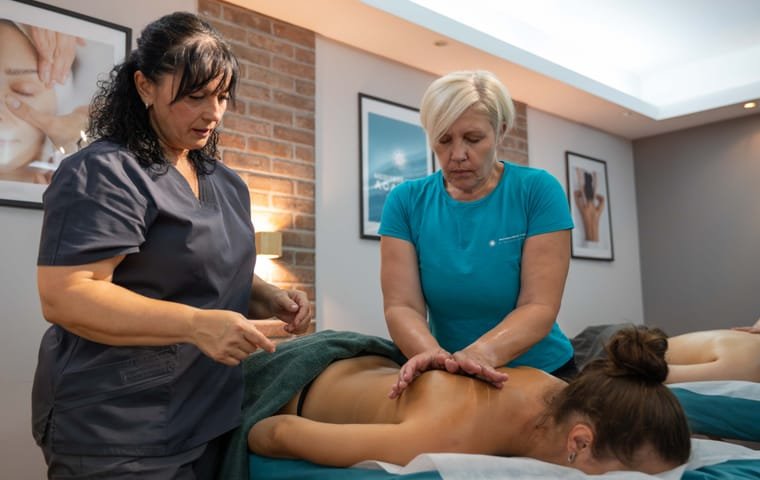
Your entry into the profession: anatomy, ergonomics and all the classic techniques — from hand placement to a full full-body session. The foundation for all the other courses.
Learn more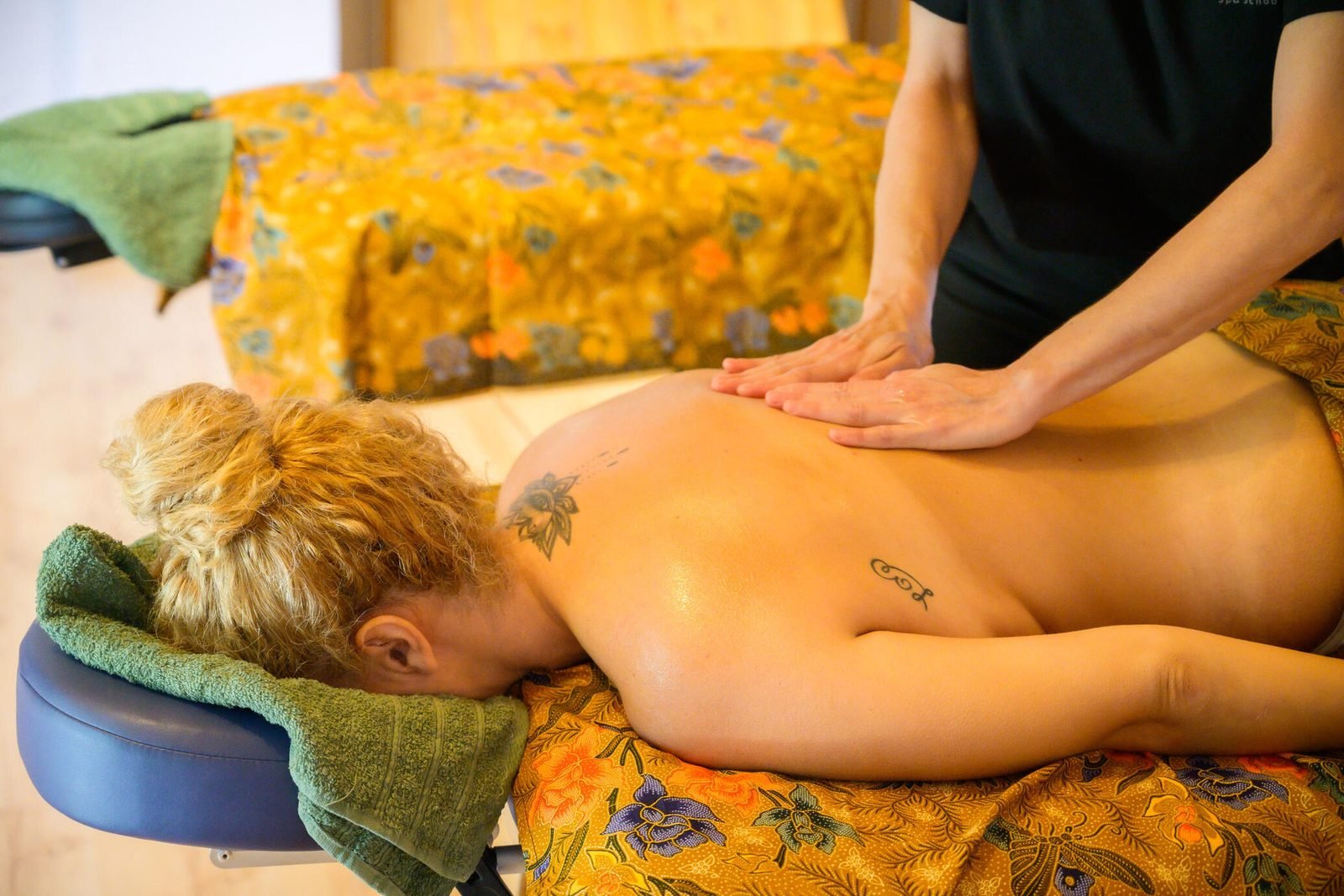
The authentic Jamu Spa School technique. Deep massage, stretches and relaxing techniques brought together into a whole SPA ritual.
Learn more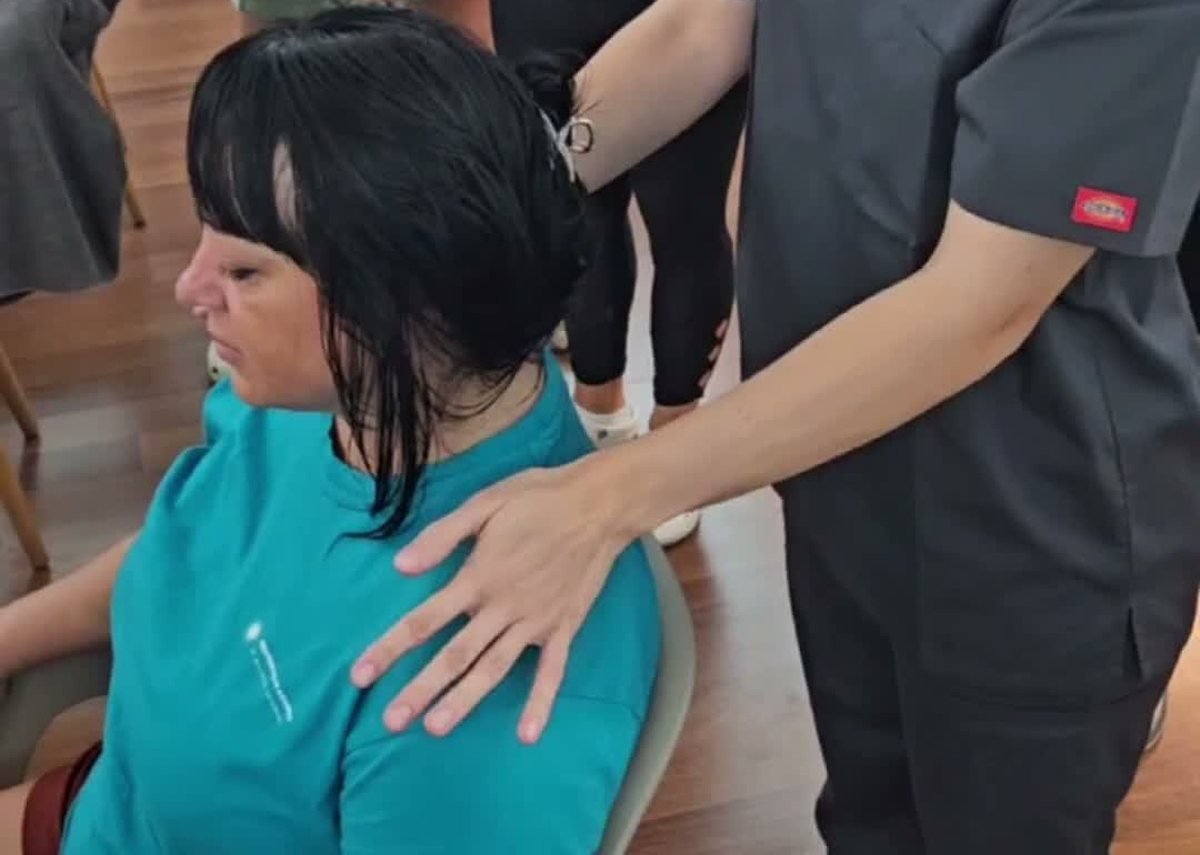
Massage of the head, face, neck and shoulders to relieve tension and achieve deep relaxation. Can be performed even without a massage table.
Learn more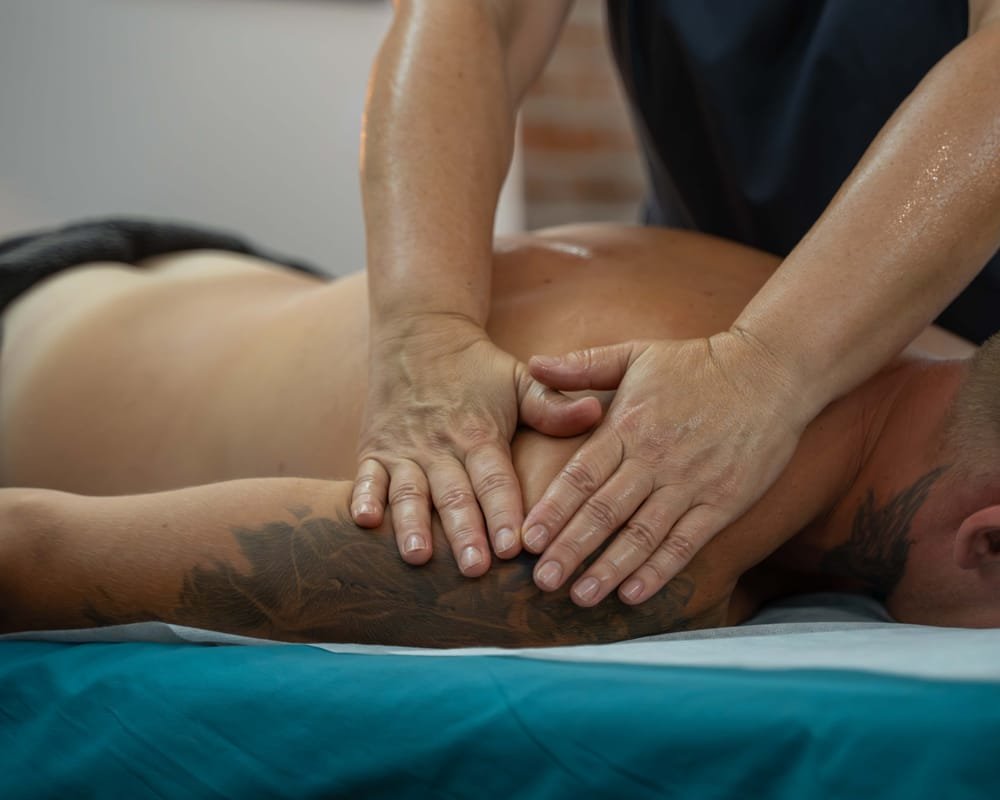
Learn to relieve tension and help the body relax deeply through touch, rhythm and special massage techniques.
Learn more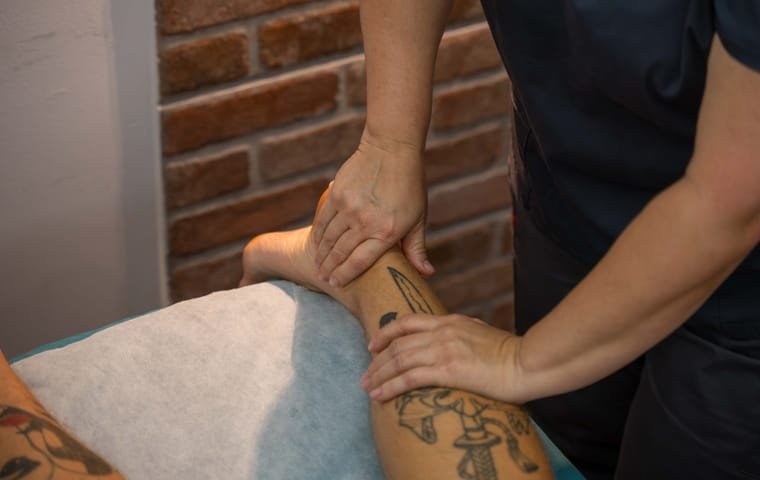
Learn to work with lymph flow and the movement of fluid in the tissues. The technique can be used on its own or combined with other types of massage.
Learn more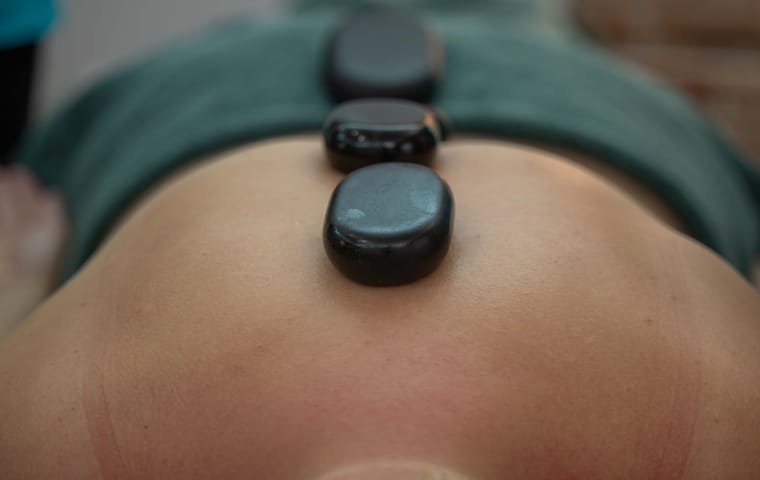
Learn to use heat and cold in massage: work with hot basalt and cold marble and understand how temperature affects the tissues.
Learn more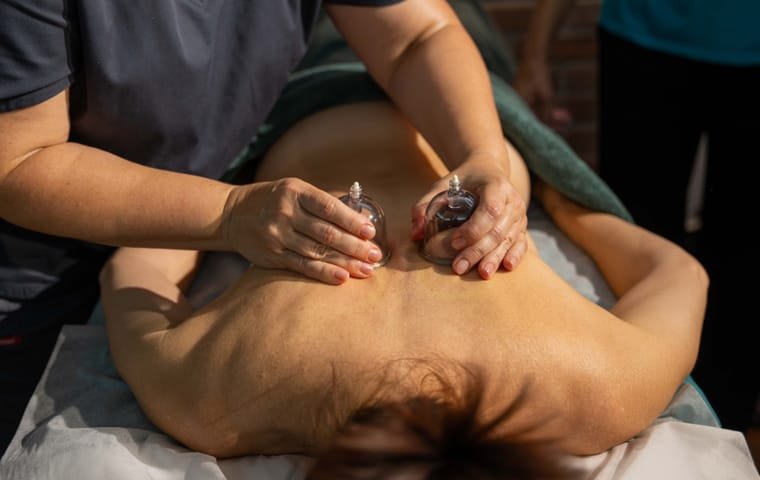
Manual techniques, vacuum cups and honey massage. Learn to assess the condition of the tissues and select suitable techniques for each client.
Learn more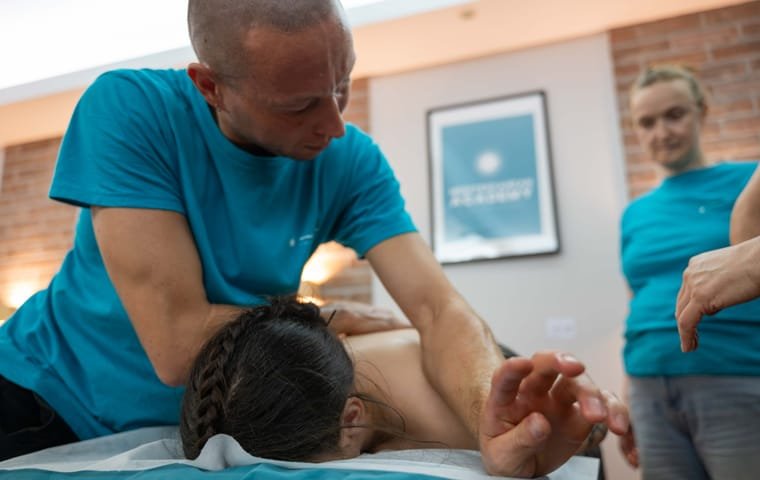
The next professional level of a massage therapist: assessment and palpation, myofascial techniques, trigger points and an individual approach to every client.
Learn more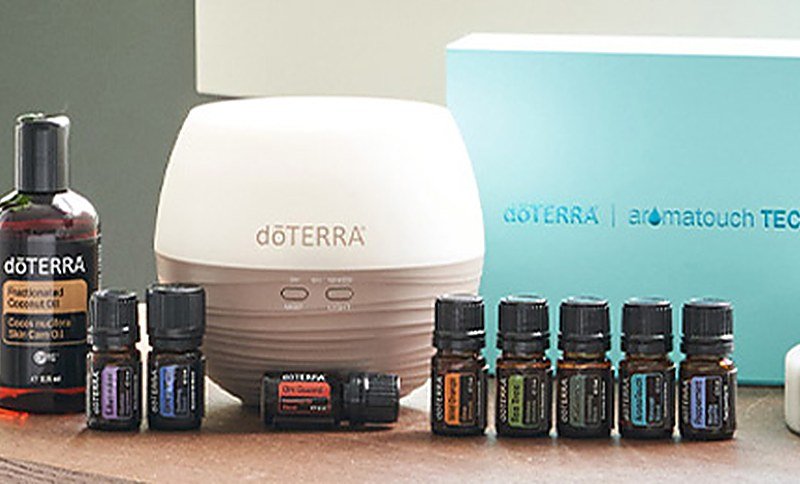
Master the original doTERRA® technique with 8 essential oils. A ready protocol that can be learned in just one day.
Learn more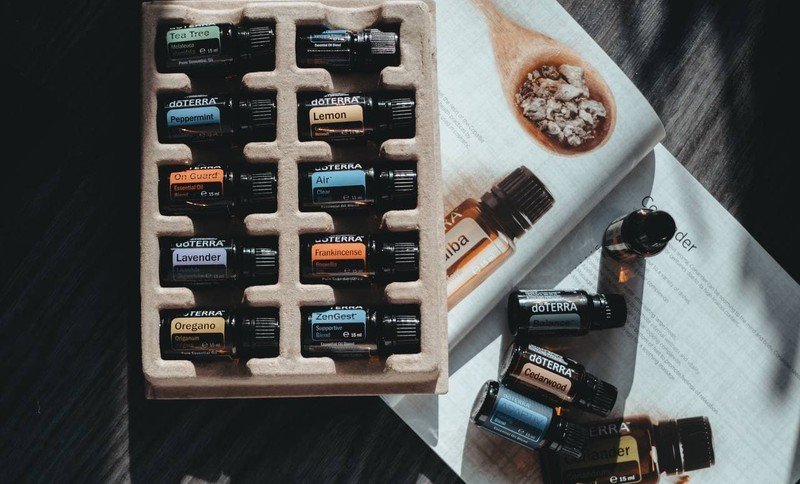
Learn to use essential oils safely in massage: how to choose, dilute, combine and apply them in your work.
Learn moreRequest
Leave your details — we’ll get in touch, answer your questions and tell you about the programme, dates and pricing.