Head · forehead · neck · shoulders — a complete technique of deep relaxation that can be carried out on the massage table or seated, with almost no equipment.
Indian head massage is a comprehensive technique of working with the head, face, neck, shoulder girdle and upper back, combining classic massage techniques, pinpoint contact and deep sensory relaxation.
The method has its roots in the traditional Indian Champi system and its modern development — Champissage. On the course we combine traditional principles with modern anatomy and physiology: you study the structure of the head, neck and shoulder girdle, the region of the temporomandibular joint, the muscles, the basics of how the nervous system works, blood supply and lymph flow — and apply this knowledge in practical work straight away.
You master a complete massage sequence: upper back and shoulders → arms → neck → scalp → forehead, learn to select the pressure and rhythm, create smoothness and continuity of movements and work with the main points of the head, face, neck and shoulder girdle.
One of the main features of Indian Head Massage is its mobility. The procedure can be carried out not only on the massage table, but also in a seated position. This format does not need a fully equipped massage room or a large amount of equipment, and the client can stay clothed.
So the technique is suitable for private practice, SPA and wellness, as well as for on-site visits, offices, events and corporate wellness programmes. It is a complete massage you can literally take with you.
Work with the zones where tension is felt especially often. The neck, shoulders, face and head are areas where many people feel accumulated tension after stress, long periods of computer work and general overload. Indian Head Massage brings these zones together into one whole procedure and lets you create a compact 25–30-minute session of deep relaxation.
Two formats — more opportunities to work. On the massage table the technique can be carried out as a standalone wellness procedure or its elements integrated into other types of massage. In a seated position it becomes highly mobile: minimal equipment, the client can stay clothed, and the massage is carried out where it is impossible to set up a fully equipped room — on site, in offices, at wellness days and events.
A convenient format for introducing a new client to massage. Not everyone is ready, on a first visit, to undress, lie on a table and immediately choose an hour-long procedure. Seated head massage has a lower barrier to entry: a short session, minimal preparation and a comfortable format — after which you can offer the client other procedures too.
Use it as a standalone service or an addition to massage. Individual techniques for working with the head, face, neck and shoulders can be integrated into procedures you already command. For a practising massage therapist this is not simply another protocol, but a set of new techniques for everyday work.
Not only scalp massage. Despite the name, Indian Head Massage covers a significantly larger area: the upper back · shoulders · arms · neck · scalp · face · forehead. On the course you study the anatomy and physiology of these zones, so that you understand which structures you are working with, why a technique is performed and how to carry out the massage safely and consciously.
After the training you will be able to:
If you already work with clients, Indian Head Massage gives you the opportunity to offer them a new procedure format, add variety to your sessions and create one more reason to come back to you. And if you are only just getting to know massage — it is an opportunity to master a compact, standalone technique without prior massage training.
To add work with the head, face, neck and shoulder girdle to your existing techniques and gain another standalone procedure for clients.
For those who want to add a compact relaxation procedure to their menu that is easy to combine with other wellness services.
The seated format requires minimal equipment and lets you carry out a massage where there is no way to set up a massage table.
The 25–30-minute format, seated work and no need to undress make the technique convenient for offices, wellness days and events.
Practice on models · final assessment.
Introductions and course overview, the history and Ayurvedic roots (Champi / Champissage), the benefits for body, mind and emotions, indications and contraindications, client consultation, consent and record-keeping, the chakra system (Vishuddha, Ajna, Sahasrara).
The bones of the skull, face and cervical region, the joints (including the TMJ), the muscles of the head, face, neck and shoulder girdle, the fascia, the autonomic nervous system and the cranial nerves, blood supply and lymph flow, the skin and hair follicles, the effect of massage on the body's systems, the use of oils and essential oils.
The five main techniques (effleurage, petrissage, friction, tapotement, vibration); the sequence by zone — shoulders and upper back, arms, neck, scalp, face and forehead; pressure, rhythm, flow and symmetry; an introduction to working with marma points.
The marma points of the head, neck and shoulders; the TCM acupuncture points (GB20, GB21, GV20, Yintang, Taiyang and others); myofascial trigger points; precautions in pregnancy.
The seated position and chair setup, the massage therapist's ergonomics, creating the right environment (light, sound, temperature, aromatherapy), hygiene, infection control and risk assessment.
Practising the full protocol in pairs under supervision; adaptation for stress, tension headaches, fatigue, insomnia and scalp problems; adaptation for special needs (autism, ADHD, anxiety, sensory sensitivity and others).
Post-procedure recommendations and rebooking, ethics, confidentiality and client protection, hygiene, business and insurance.
A theoretical test and a practical exam in person (a 25–30-minute session on a model). To receive the certificate, attendance of at least 90% of the sessions is also required.
| Date | Time | Format | Topic |
|---|---|---|---|
| — | — | Online | Theory — online, pre-recorded (at your own pace) |
| 01.11 Sun | 10:00–16:00 | Practice | Practical session |
The Indian head massage course at MAWS takes place in a hybrid format: theory online and practical training in person in Limassol. Over 8 hours you study the basics of the anatomy and physiology of the working area and master the full Indian Head Massage protocol on a model. No previous massage experience is required.
The course is accredited by IICT — the International Institute for Complementary Therapists, an international professional organisation in the field of complementary therapies. The course is approved under the IICT "Indian Head Massage" modality and is recognised for professional membership and insurance in the regions of: Australia, New Zealand, the USA, Europe (including Cyprus), the United Kingdom and Canada. After successfully completing the training you receive a personal MAWS + IICT certificate.
IICT offers membership and insurance in 35+ countries; the set of approved techniques and the requirements differ by region, as each insurance partner has its own criteria. Before starting professional activity, take local requirements into account.
Official IICT website →Gallery
Continue learning
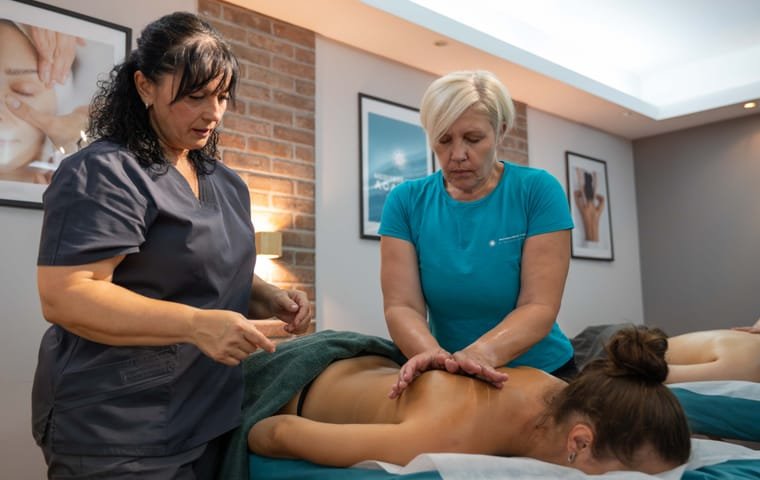
Your entry into the profession: anatomy, ergonomics and all the classic techniques — from hand placement to a full full-body session. The foundation for all the other courses.
Learn more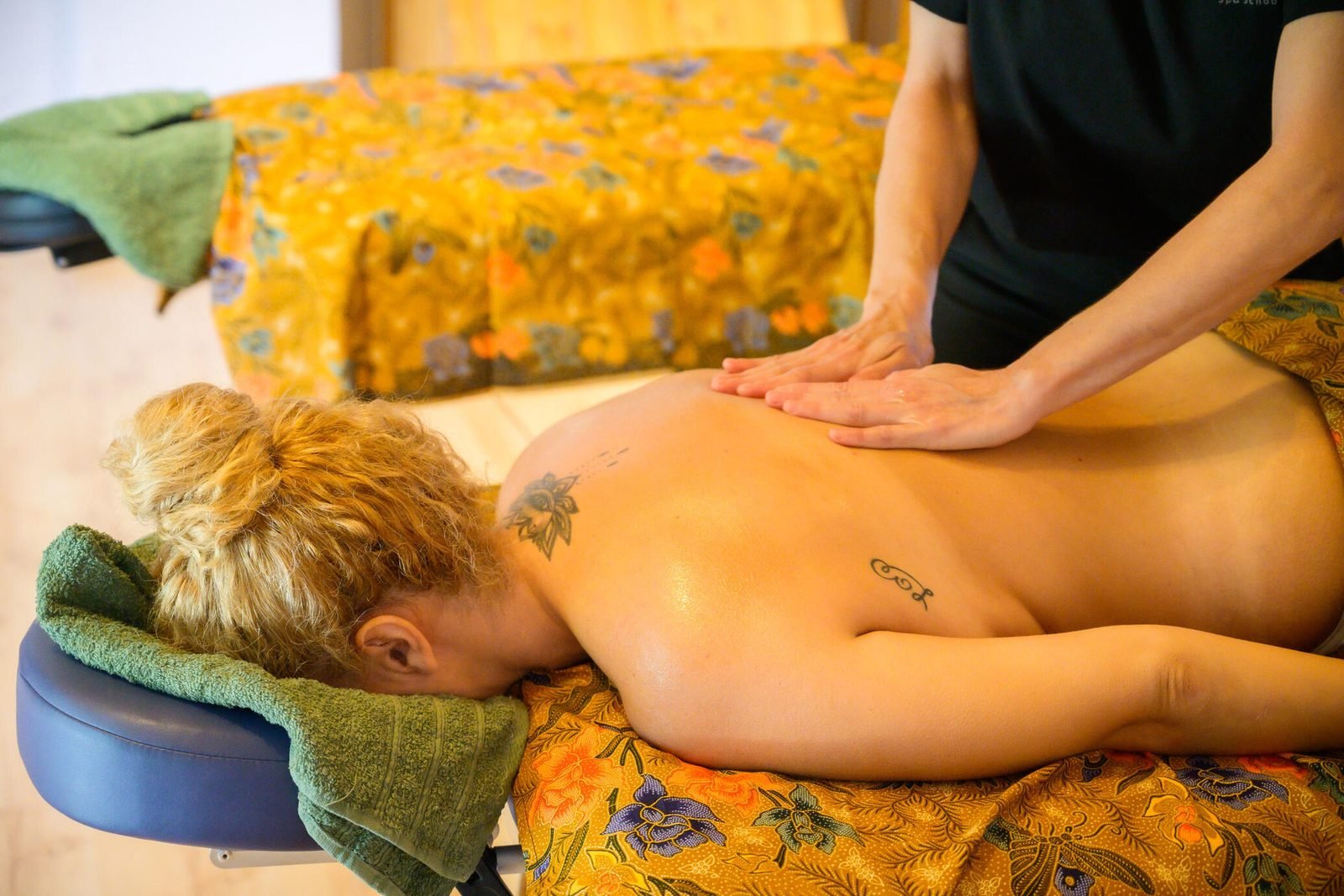
The authentic Jamu Spa School technique. Deep massage, stretches and relaxing techniques brought together into a whole SPA ritual.
Learn more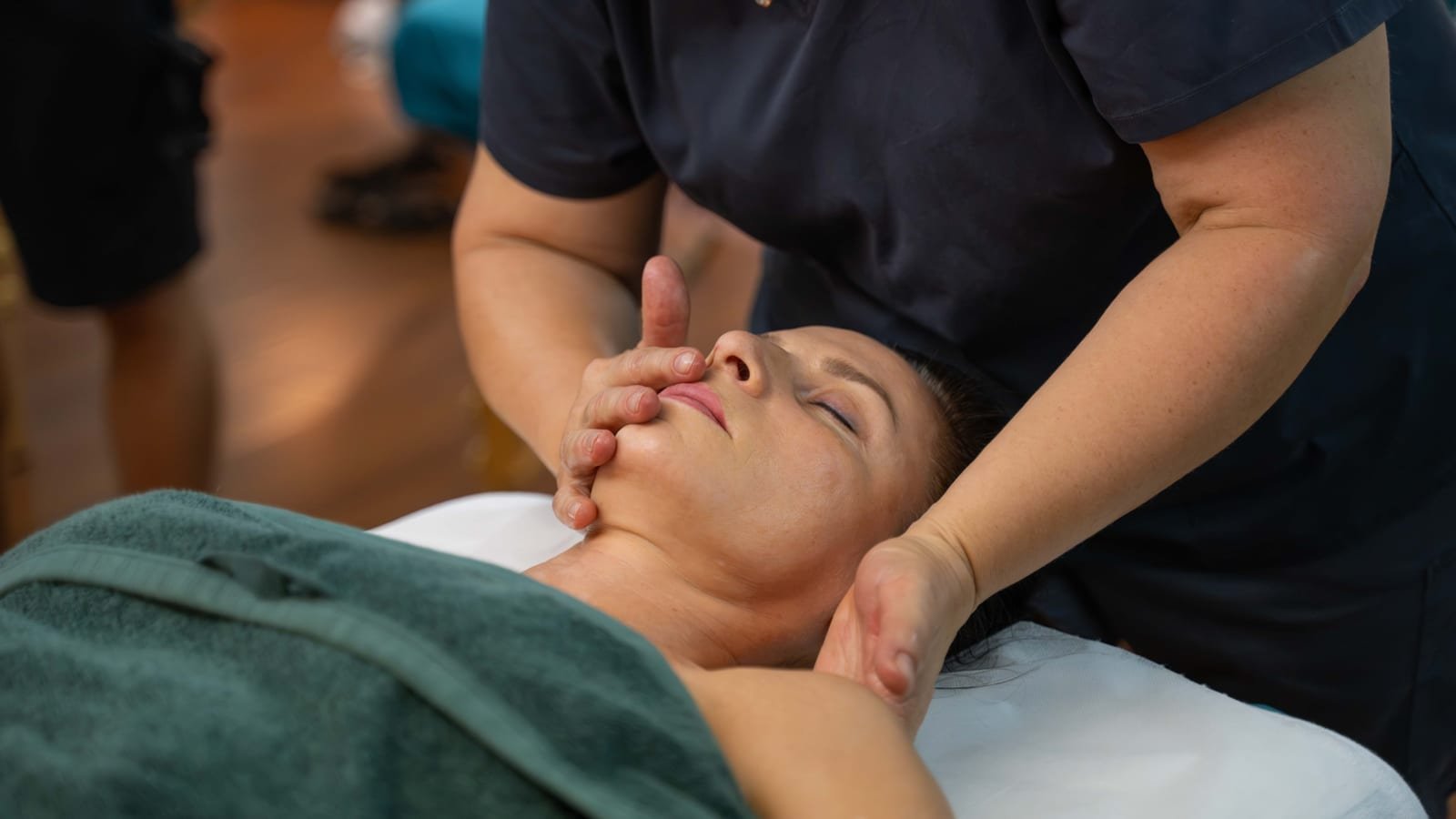
Three techniques in one course: lymphatic drainage, neurosedative and myofascial. Everything you need for professional work with the face.
Learn more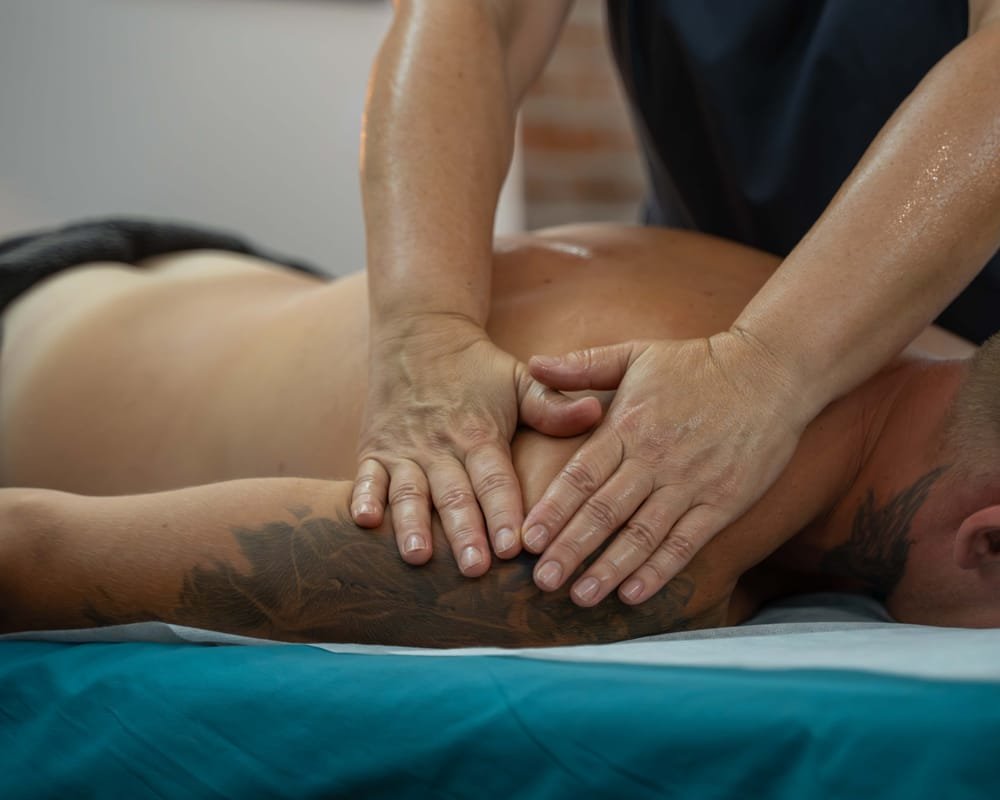
Learn to relieve tension and help the body relax deeply through touch, rhythm and special massage techniques.
Learn more
Learn to work with lymph flow and the movement of fluid in the tissues. The technique can be used on its own or combined with other types of massage.
Learn more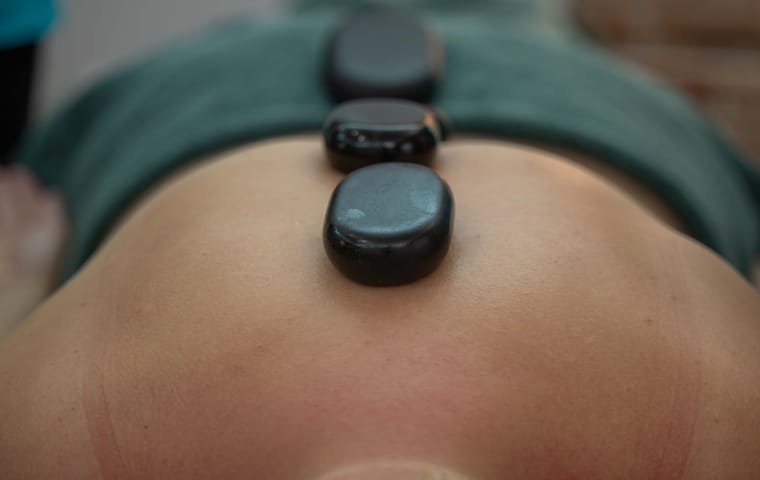
Learn to use heat and cold in massage: work with hot basalt and cold marble and understand how temperature affects the tissues.
Learn more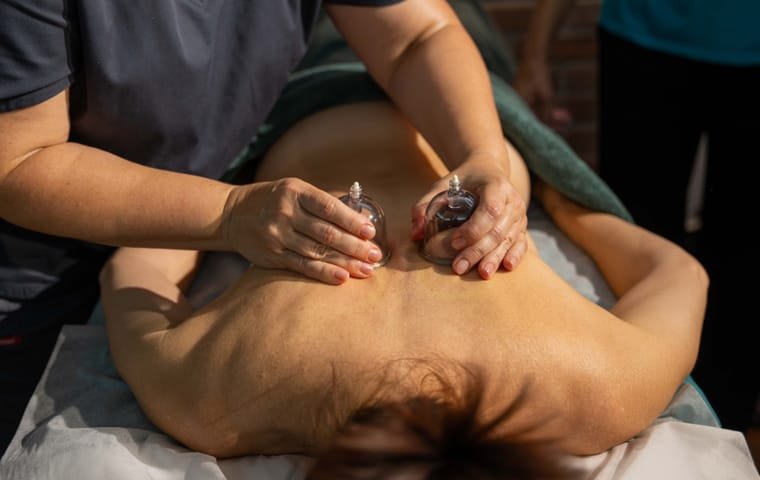
Manual techniques, vacuum cups and honey massage. Learn to assess the condition of the tissues and select suitable techniques for each client.
Learn more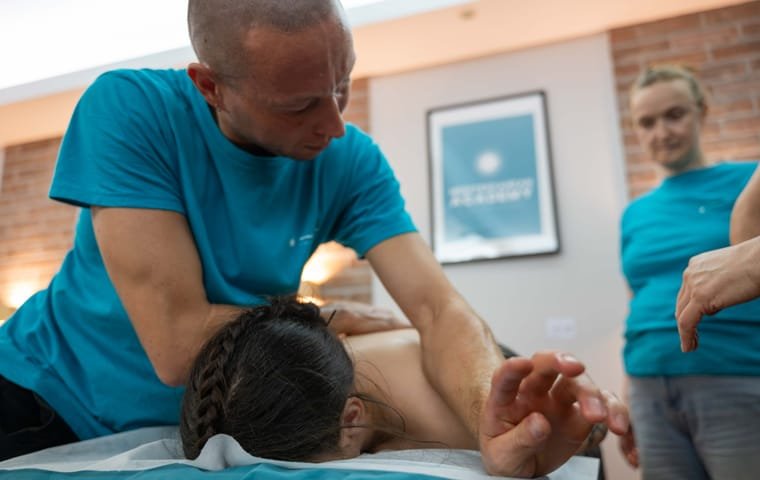
The next professional level of a massage therapist: assessment and palpation, myofascial techniques, trigger points and an individual approach to every client.
Learn more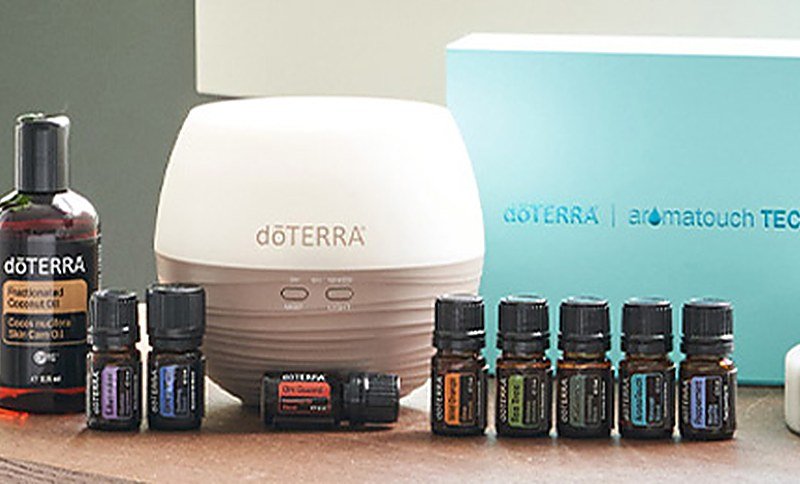
Master the original doTERRA® technique with 8 essential oils. A ready protocol that can be learned in just one day.
Learn more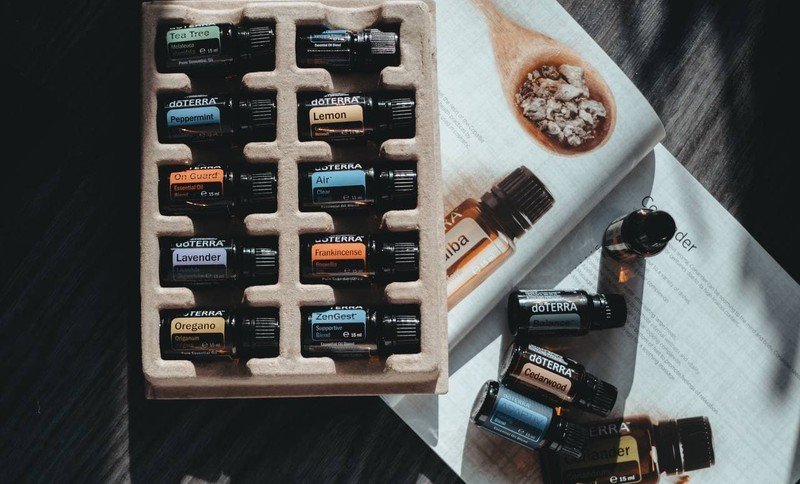
Learn to use essential oils safely in massage: how to choose, dilute, combine and apply them in your work.
Learn moreRequest
Leave your details — we’ll get in touch, answer your questions and tell you about the programme, dates and pricing.