Work with the lymphatic system and the movement of fluid in the tissues — a core massage-therapist technique used on its own and as part of body and facial massage and comprehensive programmes.
Lymphatic drainage massage is a special technique for working with the lymphatic system and the movement of fluid in the tissues.
It is not a lighter version of classic massage. It uses particular soft, rhythmic techniques, and the work is built around the anatomy of the lymphatic system: the direction of lymph flow, correct pressure, rhythm and sequence.
On the course you study the structure and functions of the lymphatic system, the main lymph-flow pathways, the role of breathing and the diaphragm, and then translate this knowledge into practical hands-on work.
Lymphatic drainage is important for a massage therapist not only as a standalone procedure. Its elements are used in body and facial massage, wellness and aesthetic programmes and, with the appropriate qualification, as part of comprehensive work to address therapeutic tasks.
So you master not just another protocol, but a core professional tool that you will be able to use across different areas of massage.
At MAWS the core training is built around four areas of work:
This knowledge is mutually complementary and allows a massage therapist not merely to follow a ready protocol, but to understand the task and consciously choose an approach for the specific client.
A gentle technique that requires precise knowledge. Lymphatic drainage looks very gentle, but it is precisely here that it is especially important to understand what is happening under your hands. It is not enough simply to reduce the pressure and make movements "towards the lymph nodes" — the anatomy of the lymphatic pathways, the sequence, direction, rhythm and nature of the contact all matter. Work with the breath and the diaphragm holds a special place: breathing movements and changes in pressure in the thoracic and abdominal cavities are linked to the movement of lymph along the major pathways, so working with the breath becomes part of the protocol.
Not just a standalone massage. Lymphatic drainage techniques often become part of other procedures: they can be used to prepare the tissues and be integrated into body and facial massage and aesthetic and wellness programmes. With the appropriate qualification, the principles of lymphatic drainage are also applied in comprehensive work for therapeutic tasks. So knowledge of lymphatic drainage stays with a massage therapist far beyond a single protocol.
Understand not only muscles, but the movement of fluid. Classic massage gives you the foundation of working with tissues. Lymphatic drainage adds an understanding of another important system of the body.
Work competently with puffiness. Swelling can have different causes. A professional massage therapist must understand not only how to perform the procedure, but also when it must not be carried out.
Use one skill across many techniques. Lymphatic drainage can be a standalone massage, part of a procedure or a preparatory stage before other work.
Tailor the massage to the client more precisely. The more systems a specialist understands, the less they depend on memorised sequences and the more consciously they build the procedure.
After the training you will be able to:
TISSUES → NERVOUS SYSTEM → FLUIDS
Three core areas that teach a massage therapist not merely to perform movements, but to understand what they are working with and why.
The next stage of core training after mastering work with the muscles and soft tissues.
To add lymphatic drainage to your practice and understand more deeply the processes taking place in the tissues.
To use lymphatic drainage principles competently within existing procedures.
To integrate lymphatic drainage into comprehensive programmes within their professional competence.
Practice on models · final assessment.
Introductions and course overview, the evolution and history of the method (Dr Emil Vodder), professional ethics and scope of practice, types of lymphatic drainage massage, indications and contraindications, the use of essential oils.
The structure and functions of the lymphatic system, the role of the lymph nodes, vessels and lymphoid organs, fluid balance, circulation and the immune response, the effect of lymphatic drainage on the body, prevention for optimal functioning of the lymphatic system.
The Vodder, Földi, Casley-Smith and Leduc methods; diaphragmatic breathing to open the drainage pathways; the four basic techniques — stationary circles, scoop, pump and rotary; pressure modulation; superficial collectors.
Carrying out a consultation, identifying needs and contraindications, drawing up an individual plan, practical scenarios.
Practising the techniques on models under the instructor's observation, feedback.
A test + practical work. To receive the certificate, attendance of at least 90% of the sessions is also required.
Lymphatic drainage massage is a special technique for working with the lymphatic system and the movement of fluid in the tissues.
Unlike classic massage, the result here depends not on the force of the contact, but on precision: the direction of the movements, the pressure, the rhythm, the sequence of work and the preparation of the lymph-drainage zones.
Swedish / classic massage works primarily with the muscles and soft tissues, whereas lymphatic drainage works with the lymphatic system and the movement of fluid.
So lymphatic drainage is not simply a "light classic massage". It uses different pressure, rhythm and direction of movements, a particular sequence of work, the preparation of the drainage zones, and work with the breath and the diaphragm.
In the MAWS core training system these are two different professional tools:
Swedish massage — work with the tissues.
Lymphatic drainage massage — work with the fluids.
Yes. Lymphatic drainage massage is the next step of core professional training and is studied after Swedish / classic massage.
Before starting the course, the student should already have command of the basic massage techniques, understand anatomy and physiology and have bodywork skills. A new method is added on top of this foundation — work with the lymphatic system.
No. Participation requires a foundation in Swedish or classic massage.
If you have never trained in massage before, you should start with the "Swedish (classic) massage" course, after which you can continue your training in lymphatic drainage massage.
You will study the anatomy and physiology of the lymphatic system and learn to understand where, at what speed, with what pressure and in what sequence to work.
In practice you will master the preparation of the lymph-drainage zones, lymphatic drainage techniques for different parts of the body, work with the breath and the diaphragm, indications and contraindications, and building a complete lymphatic drainage session.
The main aim of the course is not simply to learn a sequence of movements, but to understand the movement of fluid and work consciously with the lymphatic system.
Lymphatic drainage techniques are used to support physiological lymph flow and to work with certain types of puffiness, when massage is indicated and safe.
On the course great attention is paid to ensuring the specialist can distinguish situations in which lymphatic drainage may be applied from conditions in which massage is contraindicated or the client needs to consult a doctor.
These are different techniques with different aims.
Lymphatic drainage massage is directed primarily at working with the lymphatic system and the movement of fluid, whereas anti-cellulite techniques work with the tissues by other methods and usually involve a different character and intensity of contact.
At the same time, in professional practice these approaches can be used within comprehensive programmes, if this suits the client's condition and aims.
No. This is one of the common misconceptions.
Strong pressure is not required for effective work with the superficial lymphatic structures. On the contrary, excessive intensity does not make lymphatic drainage more effective.
That is precisely why the course devotes great attention to the precision of pressure, the rhythm, the direction and the sequence of movements.
Yes. Understanding the lymphatic system significantly broadens a massage therapist's professional possibilities.
Lymphatic drainage principles can be used as a standalone procedure or integrated into other programmes within the specialist's competence and in the absence of contraindications.
After classic massage you already know how to work with the muscles and soft tissues. Lymphatic drainage adds a fundamentally different tool — an understanding of the movement of fluid in the body.
This allows the specialist to better understand the client's condition, broadens the range of technique choices and helps avoid trying to solve every task with the same classic massage techniques.
The MAWS lymphatic drainage massage course takes place in a hybrid format: the theory is studied online, while the practical sessions take place in person in Limassol on models under the instructor's supervision.
The format lets you combine training with work and come to the practice from different towns in Cyprus.
The length of the training is 18 hours. The course includes theoretical preparation and in-person practice with the technique practised on models under the instructor's guidance.
The training is conducted in Russian and English. The language of a particular intake is indicated in the course schedule.
After successfully completing the training you receive a personal MAWS certificate in lymphatic drainage massage with international IICT accreditation.
The course is approved by IICT under the relevant modality. The possibility of professional membership and insurance depends on the region, the insurance partner and the requirements of local legislation.
Yes. With a foundation in massage, after successfully completing the course you will be able to add lymphatic drainage massage to your professional practice as a standalone procedure and use the knowledge gained when building comprehensive work with a client.
The current price depends on the intake and MAWS's current offers. You can find out the price, the nearest training dates and availability on the course page or by messaging us on WhatsApp.
IICT (International Institute for Complementary Therapists) is an international professional organisation in the field of complementary therapies. The course is approved under the IICT "Lymphatic Drainage Massage" modality and is recognised for professional membership and professional liability insurance in the regions of: Australia and New Zealand, Europe (including Cyprus), the United Kingdom and Canada.
IICT offers membership and insurance in 35+ countries; the set of approved techniques and the requirements differ by region, as each insurance partner has its own criteria. Before starting practice, take local legislation into account.
Official IICT website →Gallery
Continue learning
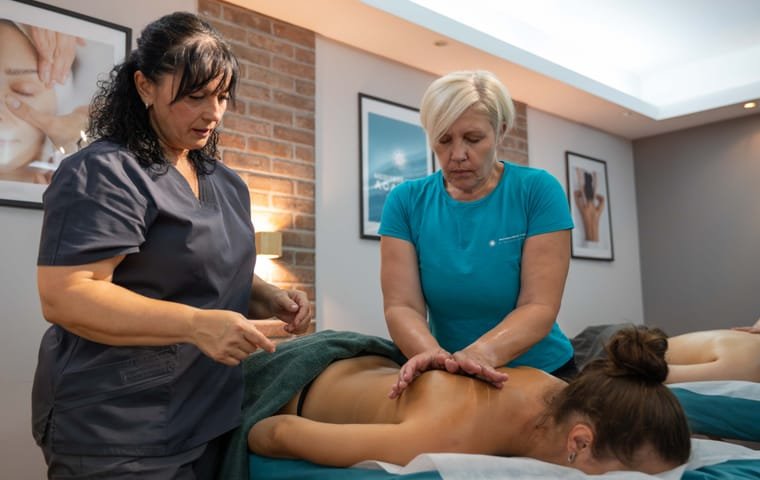
Your entry into the profession: anatomy, ergonomics and all the classic techniques — from hand placement to a full full-body session. The foundation for all the other courses.
Learn more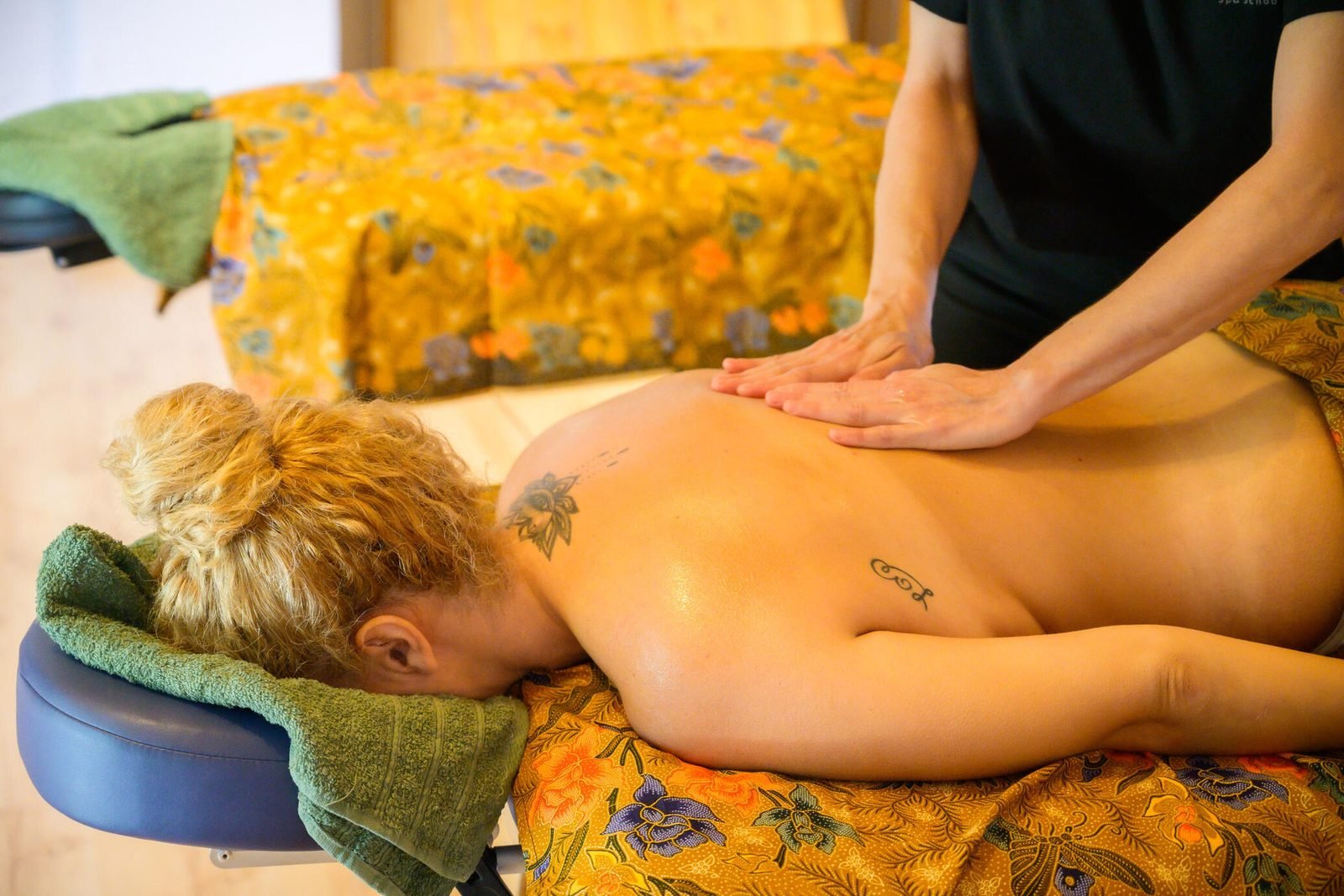
The authentic Jamu Spa School technique. Deep massage, stretches and relaxing techniques brought together into a whole SPA ritual.
Learn more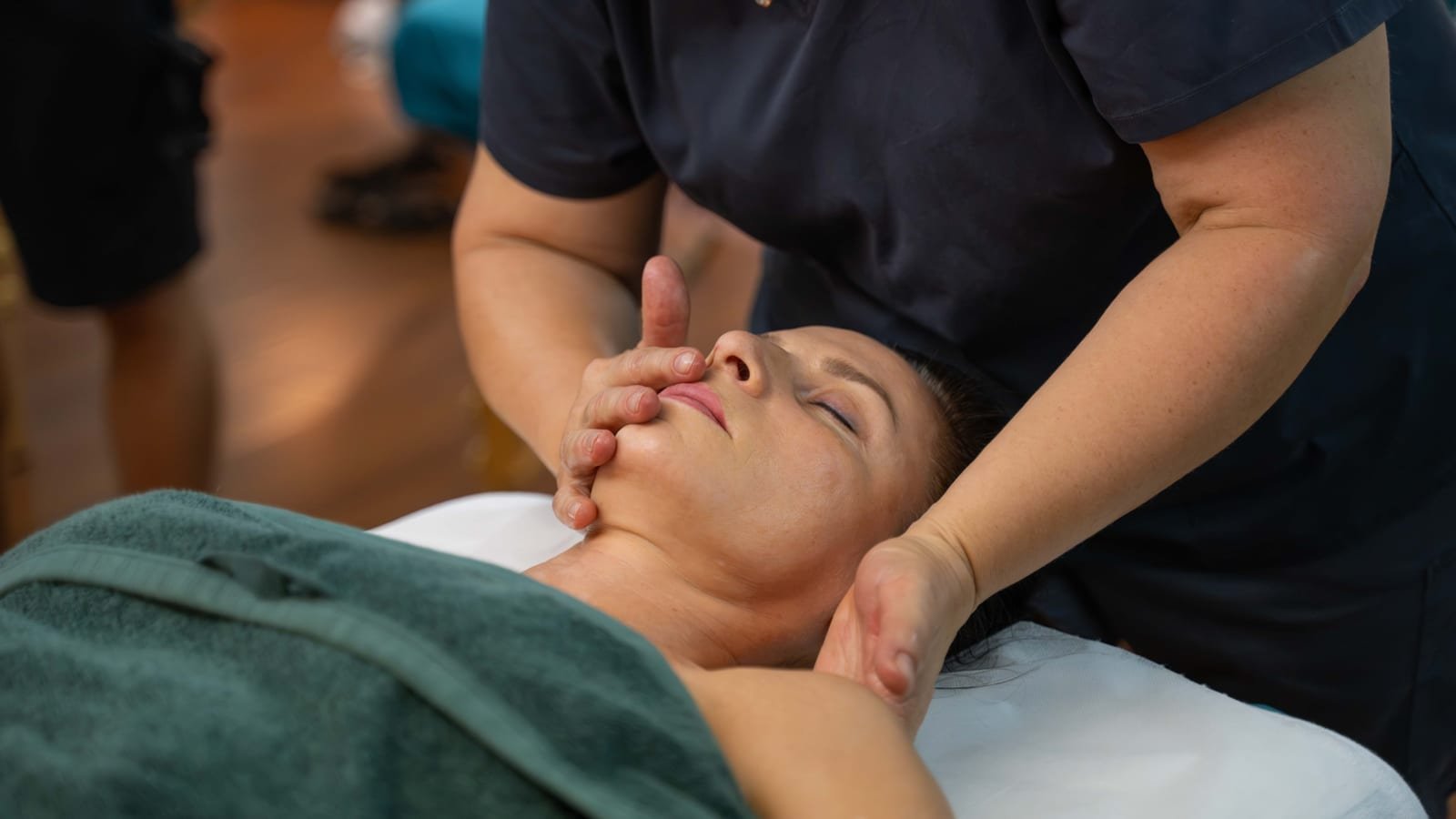
Three techniques in one course: lymphatic drainage, neurosedative and myofascial. Everything you need for professional work with the face.
Learn more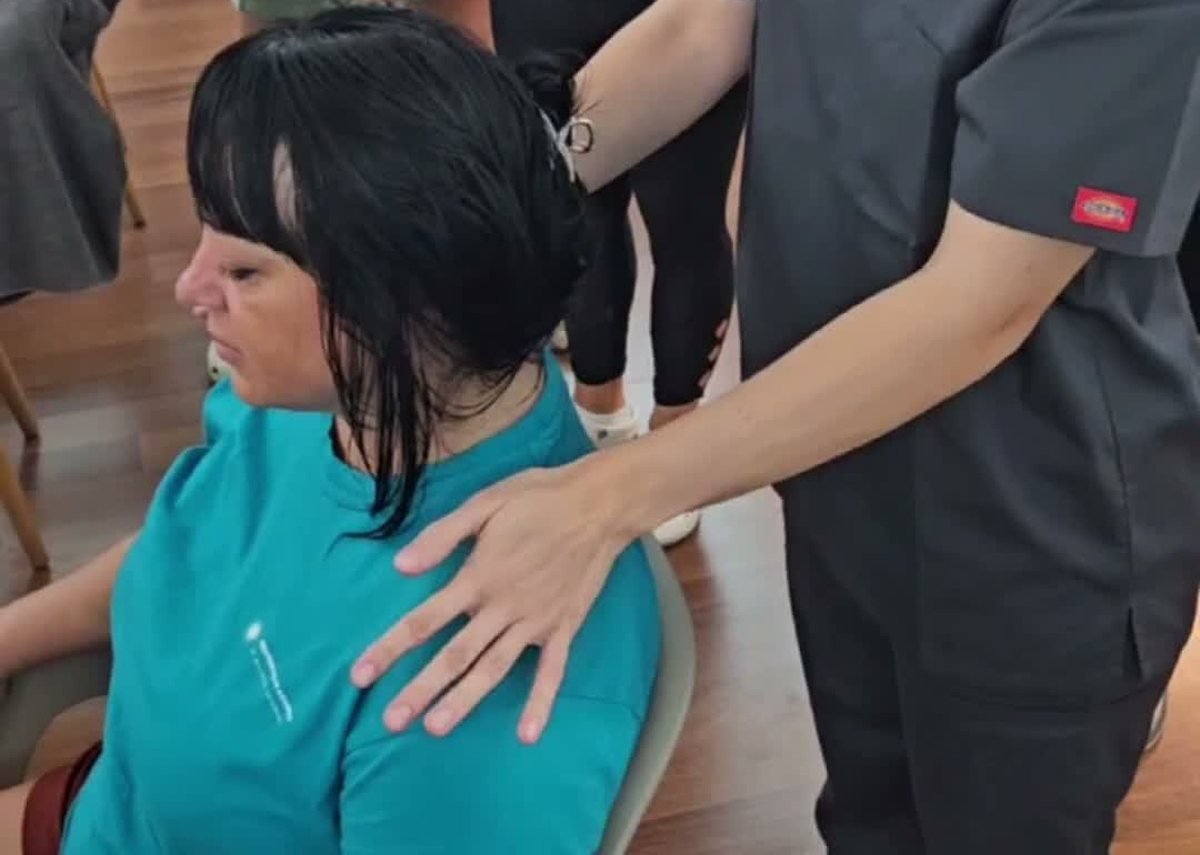
Massage of the head, face, neck and shoulders to relieve tension and achieve deep relaxation. Can be performed even without a massage table.
Learn more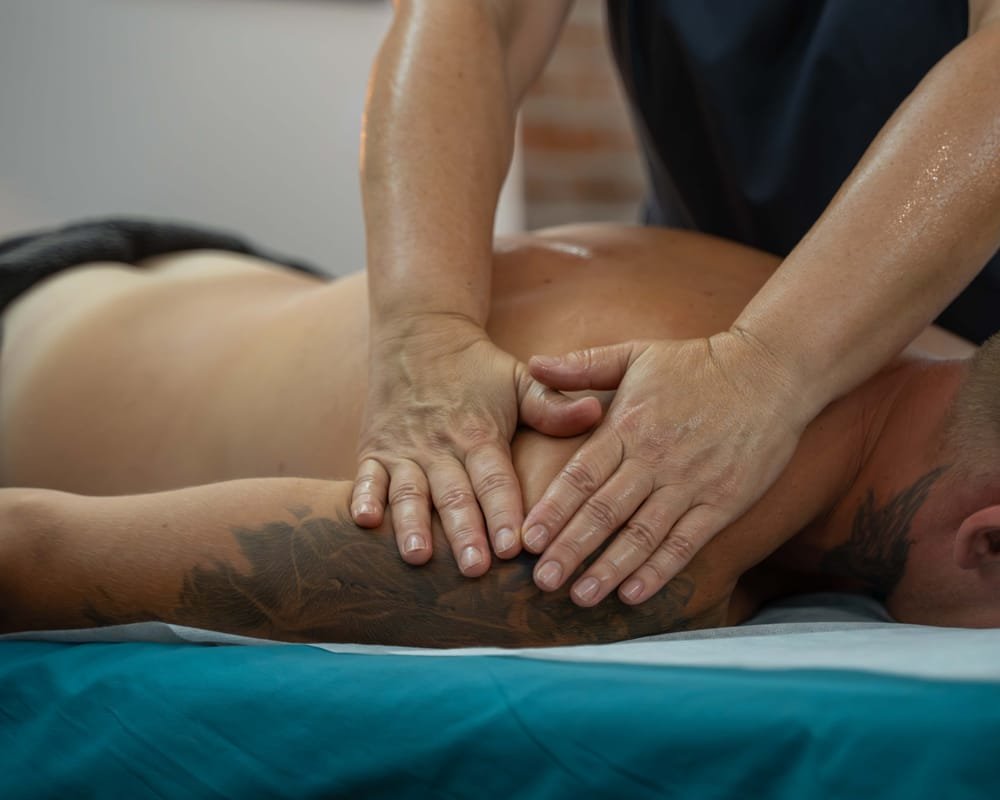
Learn to relieve tension and help the body relax deeply through touch, rhythm and special massage techniques.
Learn more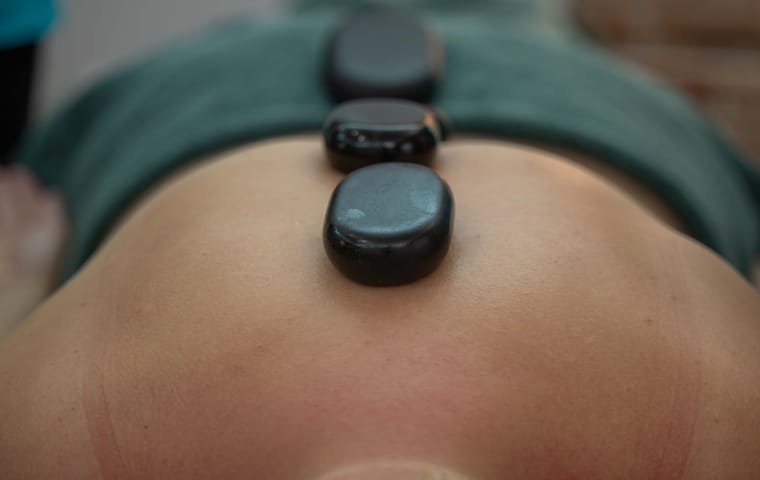
Learn to use heat and cold in massage: work with hot basalt and cold marble and understand how temperature affects the tissues.
Learn more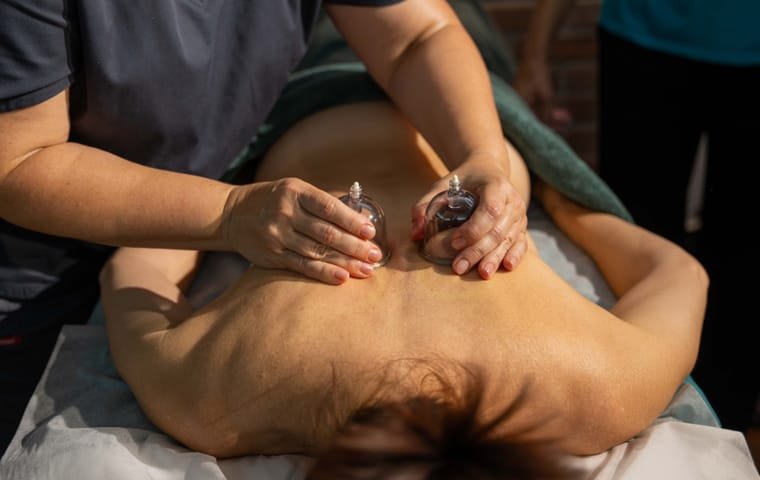
Manual techniques, vacuum cups and honey massage. Learn to assess the condition of the tissues and select suitable techniques for each client.
Learn more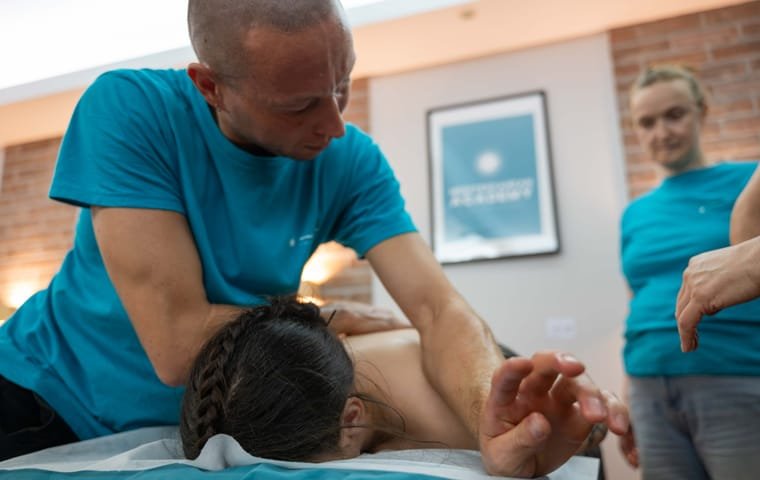
The next professional level of a massage therapist: assessment and palpation, myofascial techniques, trigger points and an individual approach to every client.
Learn more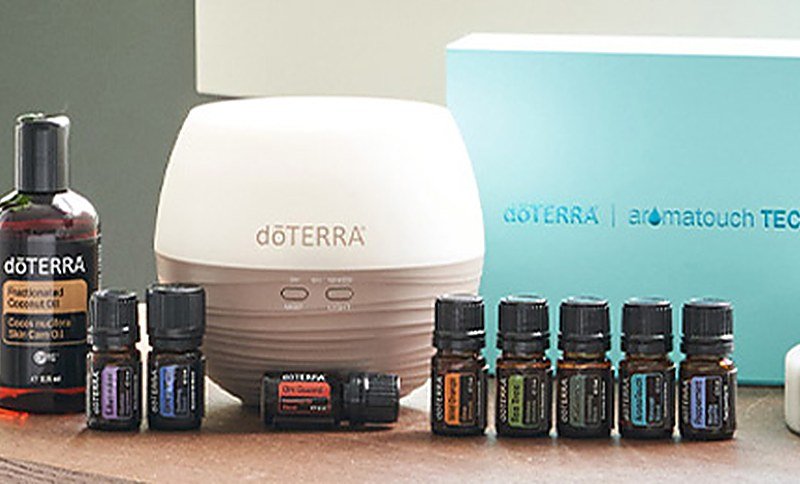
Master the original doTERRA® technique with 8 essential oils. A ready protocol that can be learned in just one day.
Learn more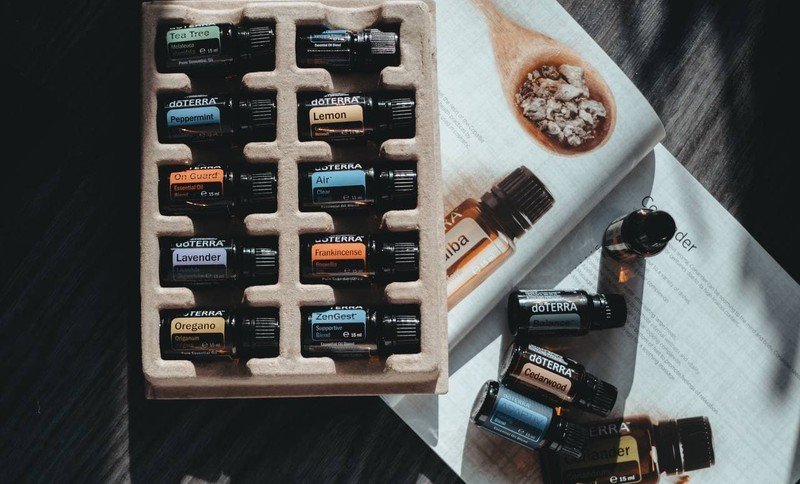
Learn to use essential oils safely in massage: how to choose, dilute, combine and apply them in your work.
Learn moreRequest
Leave your details — we’ll get in touch, answer your questions and tell you about the programme, dates and pricing.