How to become a massage therapist in Cyprus
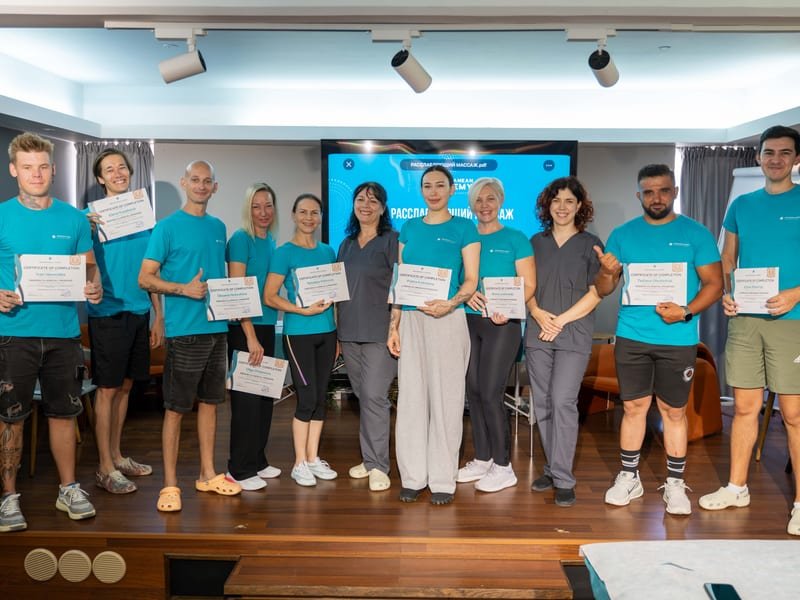
Working as a massage therapist is one way to begin a career in the wellness industry in Cyprus. And you can start from scratch: without a medical education and without prior experience working with the body.
But a newcomer usually has plenty of questions.
Which massage should I learn first? Do I need anatomy? Can I work without a medical diploma? How do I choose good massage courses in Cyprus? What certificate do I need? Can I take on clients and work for myself after training?
Let’s walk through the whole path — from choosing your first course to starting professional practice.
Can you become a massage therapist from scratch?
Yes. To begin training in wellness massage, you don’t have to have a medical education or prior experience.
A good foundation course should start with the basics and gradually build the knowledge and practical skills a beginner massage therapist needs.
The point is not simply to learn a sequence of movements, but to understand:
- the basics of anatomy and physiology;
- how to work with muscles and soft tissues;
- the main massage techniques;
- correct body positioning and the therapist’s ergonomics;
- indications and contraindications;
- safety rules;
- the basics of communicating with a client;
- how to build a complete massage session.
And, of course, massage is a practical skill. That is why one of the main components of professional training is a sufficient amount of practice under an instructor’s supervision.
How is a massage therapist’s professional path built?
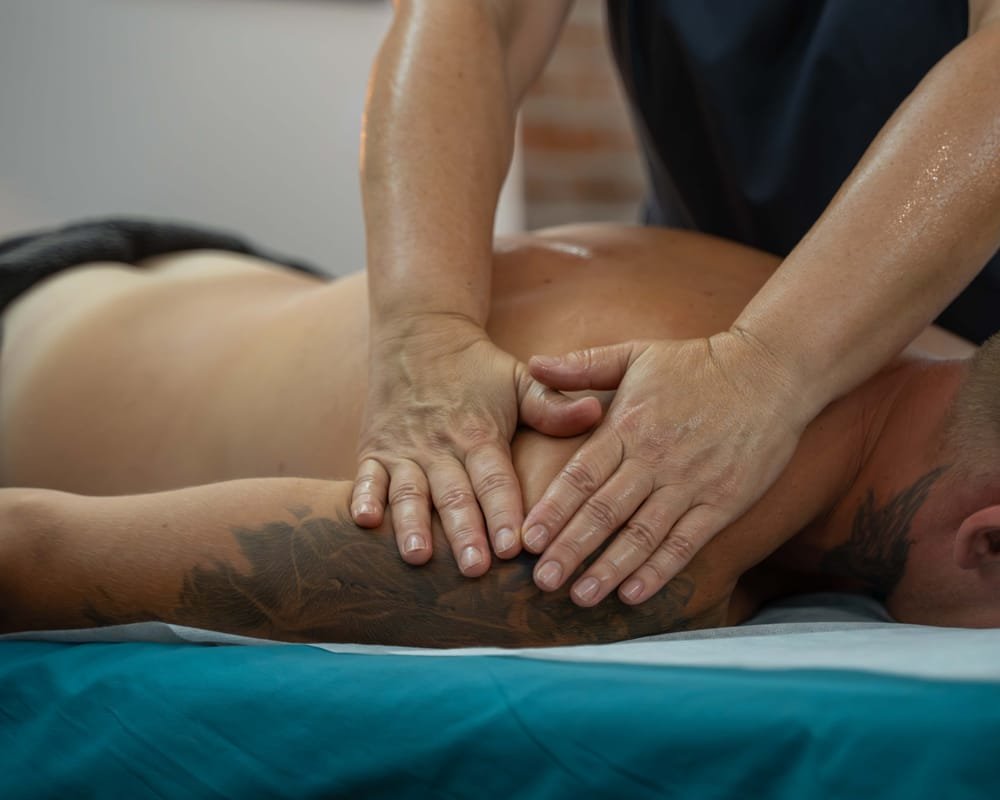
At MAWS, a beginner’s training starts with the Swedish (classic) massage course. This is the foundation programme for students without prior experience: it sets up their hands, teaches them to feel the tissues and to deliver a complete session.
Once you have mastered the foundation, you can gradually add specialisations:
- Relaxing massage — working with relaxation and the nervous system.
- Lymphatic drainage massage — studying the lymphatic system and specialised lymphatic drainage techniques.
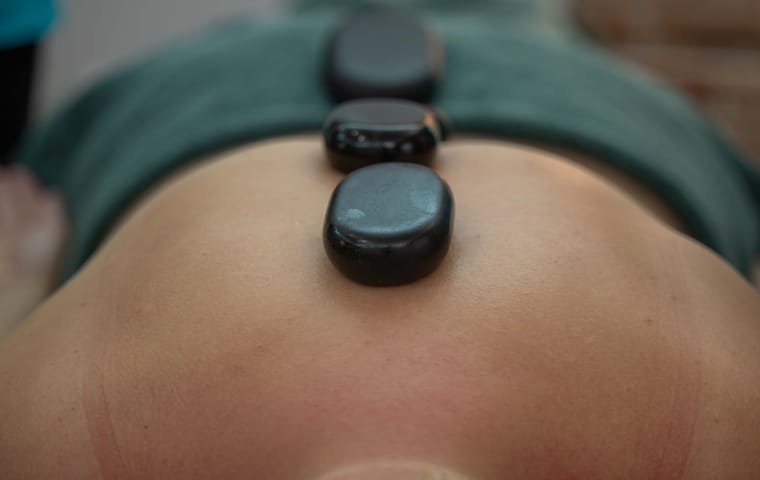
- Hot & Cold Stones — using hot and cold stones, thermotherapy and temperature contrast.
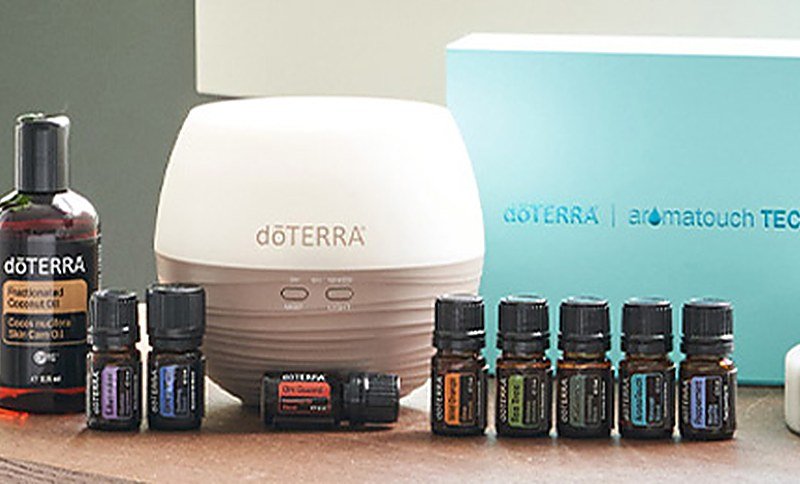
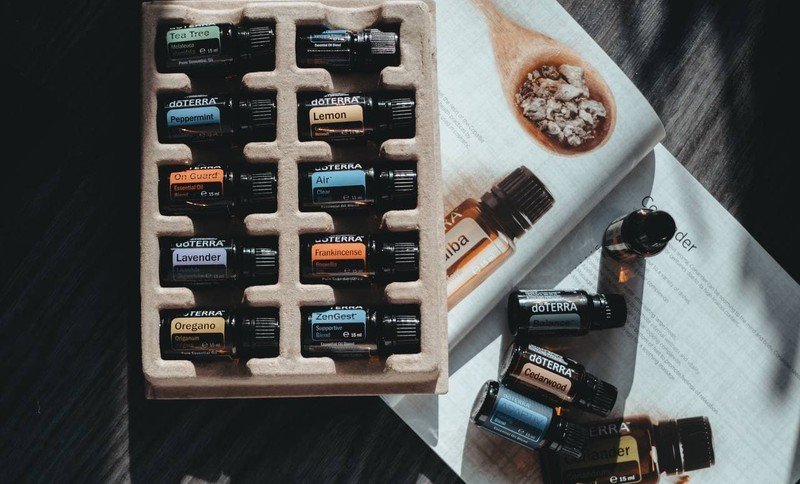
- Aromatherapy — the safe and mindful use of essential oils in massage practice.
And then, as knowledge and experience accumulate, the massage therapist moves on to more advanced therapeutic techniques — a distinct professional specialisation.
That said, some directions can be taken up straight away, without starting with Swedish massage: facial massage, Indian head massage and Balinese massage.
You don’t need to study everything at once. We have covered how the massage therapist’s path is structured and what to study after the foundation in more detail in a separate article. What matters far more is first to set up your hands, understand the body and gain a solid foundation, and then gradually add new tools.
Does a massage therapist need a medical education and anatomy?
For training and working in the field of wellness massage, a medical diploma is not a mandatory requirement.
But that does not mean a massage therapist does not need knowledge of the human body.
A professional massage therapist needs applied anatomy and physiology: it is important to understand what is beneath your hands, where the main muscles and other structures are located, how the body works and why certain techniques call for caution.
This is the fundamental difference between a person who has simply memorised a sequence of movements and a specialist who understands what they are doing, why and how.
At the same time, it is important to distinguish between wellness massage and medical activity.
Physiotherapist is a separate regulated profession in Cyprus. Working as a physiotherapist involves established requirements for education, recognition of qualifications and professional registration.
Training in massage does not make a person a physiotherapist or a medical specialist.
A massage therapist must understand the boundaries of their competence, know the contraindications and refer a client to a doctor or another medical specialist if the situation goes beyond the scope of their professional practice.
How to choose massage courses in Cyprus?
The cost and duration of a course are far from the only criteria.
If you plan to work with clients afterwards, pay attention to several things.
1. How much real practice is in the programme?
It is impossible to learn massage from video or online lectures alone.
Theory, anatomy and physiology can be studied effectively online. But hand positioning, body posture, pressure, palpation and massage techniques require in-person practice and feedback from the instructor.
So be sure to check how many hours of the programme the student actually spends working with their hands.
2. Who teaches?
When choosing a course, be sure to look not only at the programme but also at the person who will be teaching you.
An experienced massage therapist and a good instructor are not always one and the same. But the ability to teach well does not replace real professional experience either.
That is why we recommend assessing an instructor against three criteria at once.
Professional qualifications and experience. Find out what education the instructor received in the specific field they teach, and how many years they have worked in that specialism. What matters is not only the number of certificates but genuine professional experience.
Current work with clients. Note whether the instructor is a practising professional: whether they take on clients, work with a variety of cases and continue to use the techniques they teach in their day-to-day professional work.
This is especially important in a hands-on profession. A specialist who regularly works with real clients can pass on to students not only textbook technique but professional experience: how to adapt a massage to a particular person, what situations you may encounter in practice, which mistakes beginners most often make and where the boundaries of a massage therapist’s competence lie.
Training in adult education. The ability to perform massage professionally does not in itself mean the ability to teach it to someone else.
An instructor must be able to structure material, explain complex things clearly, organise practical training, spot mistakes, give effective feedback and help a student form the right skill.
In Cyprus there is a professional qualification, the HRDA Lifelong Learning Trainer Level 5, corresponding to Level 5 of the Cyprus and European Qualifications Frameworks — CyQF/EQF. Training an adult trainer covers adult-education methodology, identifying educational needs, developing and delivering training programmes and evaluating outcomes.
So before choosing a course it is worth asking a few simple questions:
- What professional education does the instructor have in this specific specialism?
- How many years have they worked in this field?
- Are they a practising specialist, and do they work with clients regularly?
- What experience do they have in the specific technique they teach?
- Do they have separate training as a teacher or adult trainer?
A strong instructor on a professional course is a combination of three competences: specialist education, current practical experience and the ability to teach others.
3. Is there anatomy and physiology?
If a course is nothing more than a sequence of massage movements, the student learns to reproduce a protocol, but finds it far harder to understand the body and adapt the treatment to a particular client.
That is why a professional programme should include the amount of anatomy and physiology required for the technique in question.
4. Is safety covered?
The programme should include indications and contraindications, the initial client consultation, safety rules and an understanding of the boundaries of a massage therapist’s professional competence.
5. Is there a final assessment?
A certificate should not confirm only the fact of attendance.
If training is positioned as professional, the school should check whether the student has genuinely absorbed the theoretical material and is able to perform the studied technique safely.
6. What certificate will you receive?
The phrases “international certificate”, “internationally recognised certificate” or “European-standard certificate” in themselves say nothing about the quality of the training or the professional opportunities open to the graduate.
There is no single “European-standard” massage therapist’s certificate.
It is important to find out who issues the certificate, whether the training centre and the specific programme are accredited, who checks the content of the training and the instructors’ qualifications and how, whether you can obtain professional membership and arrange insurance to work with clients.
We have examined this topic in detail separately: The international massage therapist’s certificate: what it means and how to check a course’s accreditation.
How does massage training work at MAWS?
At the Mediterranean Academy of Wellness Sciences (MAWS), training is built on a hybrid format: theory online, practice in person in Limassol.
The student studies anatomy, physiology, indications, contraindications and theoretical foundations online, while the in-person time is used to the fullest for practical work.
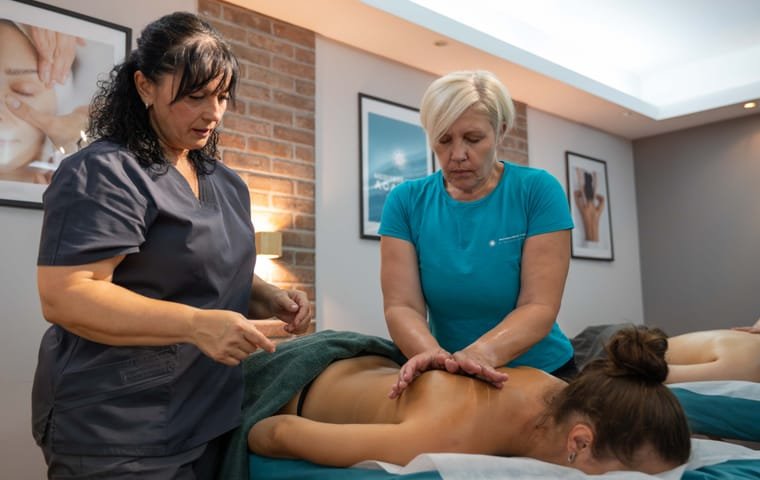
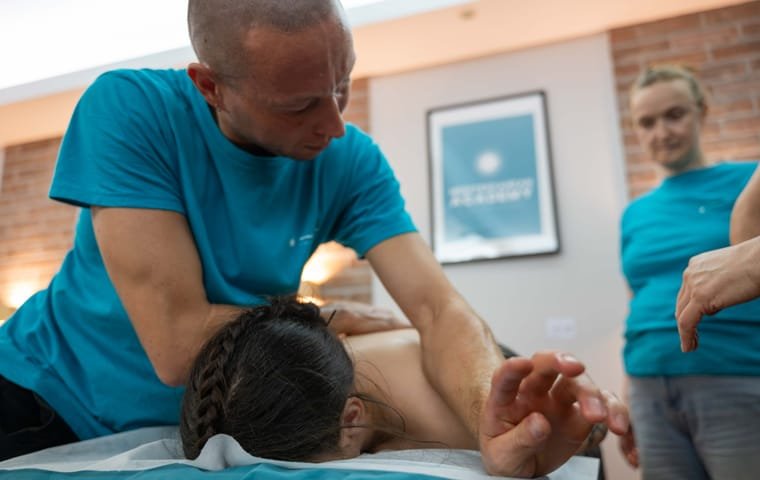
During the sessions, the instructor observes each student’s technique, correcting body and hand positioning, the direction of movement, pressure and the execution of the techniques.
The main aim of the training is not simply to hand over a sequence of movements that the student can repeat.
We want the future specialist to understand what is beneath their hands, what they are doing, why they are doing it and when it must not be done.
MAWS is an IICT Approved Training Provider — the International Institute for Complementary Therapists. The academy’s professional programmes go through a review procedure under the IICT’s requirements.
When choosing instructors, we also value not only professional experience in their field but competence in teaching adults.
How is a massage therapist’s professional path built?
At MAWS, a beginner’s training starts with the Swedish (classic) massage course. This is the foundation programme for students without prior experience.
Once you have mastered the foundation, you can gradually choose specialisations.
- Relaxing massage — working with relaxation and the nervous system.
- Lymphatic drainage massage — studying the lymphatic system and specialised lymphatic drainage techniques.
- Facial massage — a professional direction for working with the face and aesthetic wellness treatments.
- Hot & Cold Stones — using hot and cold stones, thermotherapy and temperature contrast.
- Aromatherapy — the safe and mindful use of essential oils in massage practice.
As knowledge and experience accumulate, the massage therapist can move on to more advanced therapeutic techniques.
Can you work as a self-employed massage therapist in Cyprus?
Yes. A massage therapist can work in a spa or wellness centre, collaborate with a salon, rent a room or gradually build their own practice.
Many beginners initially combine massage with a main job: they take on a few clients in the evenings or at weekends and gradually build up experience and a client base.
If you start working independently, you need to register your professional activity correctly and comply with the applicable tax and social insurance requirements.
It is also worth paying attention to professional liability insurance.
The specific legal, tax and insurance requirements depend on the form of your activity and can change, so before you start work you should check them with the relevant government authorities, an accountant and an insurance company.
Step by step: how to become a massage therapist in Cyprus
- Define your goal. Do you want a new profession, additional income, to work in a spa or, over time, to build your own practice?
- Start with a quality foundation course. If you have no experience, first build the fundamentals — for example, classic Swedish massage.
- Study applied anatomy and physiology. A massage therapist must understand the body they work with.
- Practise the technique in person. Practise under an instructor’s supervision and receive feedback.
- Complete the final assessment. A professional-training certificate should confirm not merely attendance but mastery of the programme.
- Build up practice. Confident hands and the ability to work with a variety of clients come with regular practice.
- Register your professional activity and arrange insurance. Especially if you plan to work independently.
- Keep learning. Add new techniques and specialisations as your foundation skills become assured.
Frequently asked questions
Can you become a massage therapist without a medical education?
Yes, a medical diploma is not a mandatory requirement for training in wellness massage. That said, a professional massage therapist needs knowledge of applied anatomy and physiology, contraindications, safety and the boundaries of their competence.
Which massage is best to learn first?
If you are starting from scratch, Swedish classic massage is a good professional foundation. Once you have mastered it, it is much easier to move on to specialised techniques.
Can you learn massage entirely online?
The theoretical part can be studied online. But massage is a practical skill, so the technique must be practised in person under an instructor’s supervision.
How many courses do you need to complete before you can start working?
You don’t have to collect dozens of certificates first. What matters more is to gain quality foundation training, master the technique, know the contraindications and safety rules and get enough practice to work confidently within your qualification.
Can you work in Cyprus with a massage qualification from another country?
If you have already trained outside Cyprus, you don’t necessarily have to start all over again.
It is worth assessing your previous training programme, the number of theoretical and practical hours, the diploma or certificate you obtained and your work experience.
If it concerns a regulated medical profession, such as physiotherapy, separate official procedures for the recognition of qualifications apply.
The profession starts with a good foundation
To begin training in massage, you don’t need to know anatomy in advance, hold a medical diploma or be able to give a massage.
But it is important to start the right way.
Not with a dozen attractive techniques and certificates, but with an understanding of the body, hand positioning, safety and quality practice.
That is why at MAWS a beginner’s professional path starts with Swedish classic massage, after which you can gradually master relaxing and lymphatic drainage massage, facial massage, stone work, aromatherapy and more advanced techniques.
A good massage therapist is not the one who knows the most techniques. It is a specialist who understands what they are doing, why they are doing it and when it must not be done.